
Management Discussion and Analysis
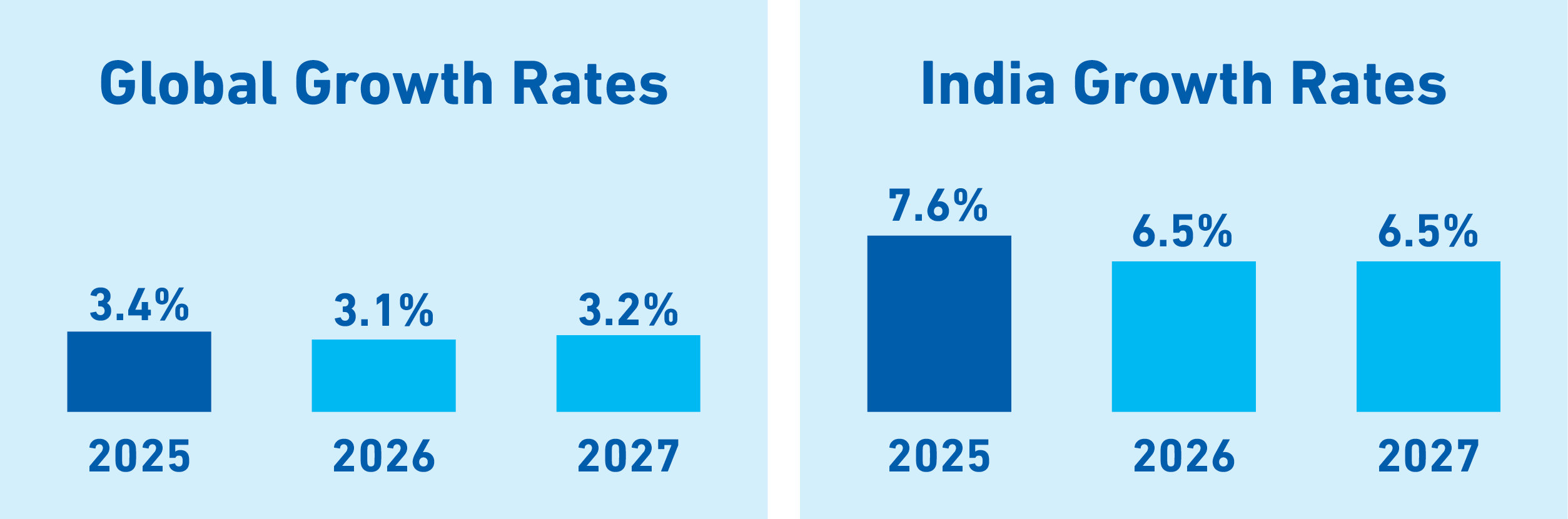
According to the IMF’s World Economic Outlook (April 2026), global growth is projected at 3.1% in 2026, increasing marginally to 3.2% in 2027, supported by easing inflation and stable financial conditions. Global headline inflation is forecast to decline from 4.4% in 2026 to 3.7% in 2027. However, the external environment remains fragile, with intermittent flare-ups in trade policy and geopolitics continuing to shape risk sentiment and capital flows.
Geopolitical risks have intensified, particularly due to escalating tensions in the Middle East, including Iran-related developments, which pose upside risks to energy prices and could reignite global inflationary pressures. Simultaneously, US-China trade relations remain uncertain, shaped by selective tariff adjustments, export controls in strategic sectors such as semiconductors and rare earths, and evolving bilateral arrangements.
Against this backdrop, India continues to exhibit macroeconomic resilience. As per the IMF projections, India’s growth is expected to moderate to 6.5% in both 2026 and 2027, following an estimated 7.6% expansion in 2025. India remains the fastest-growing major economy, underpinned by resilient domestic demand, with private final consumption expenditure accounting for nearly 56% of GDP in FY2026, according to the second advance estimates released by the Ministry of Statistics & Programme Implementation (MoSPI).
For FY2026 and up to now, inflation dynamics in India have been benign, which has created space for calibrated monetary easing. CPI inflation declined sharply through 2025, reaching a trough of 0.25% in October 2025 before inching up to 3.4% in March 2026, well below the inflation target band. In response, the RBI initiated a calibrated easing cycle, cumulatively reducing the repo rate from 6.0% to 5.25% by April 2026 to support growth while maintaining macroeconomic stability.
On the external front, the current account deficit narrowed to 0.8% of GDP in the first half of FY2026, supported by strong services exports, providing a buffer against global volatility.
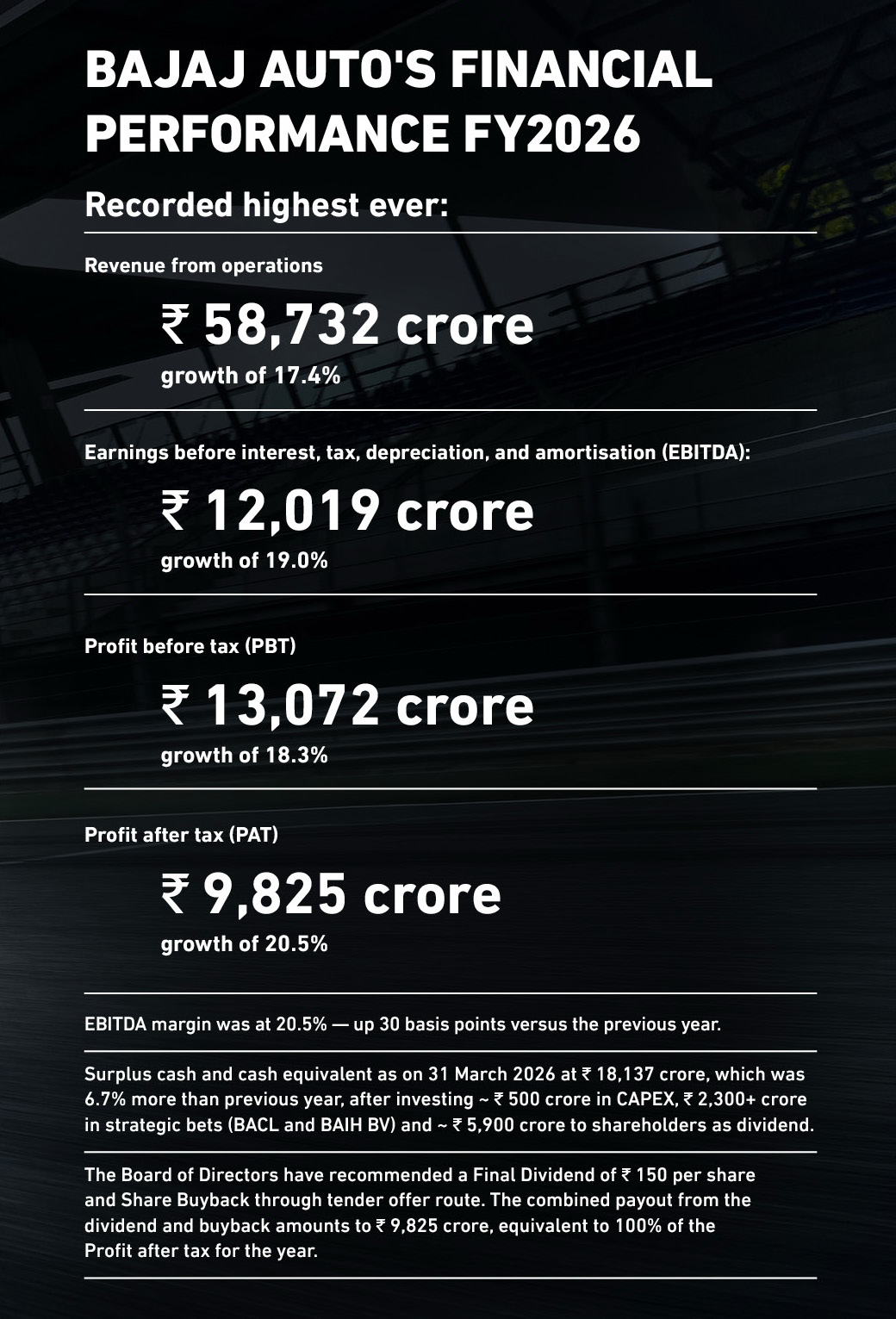
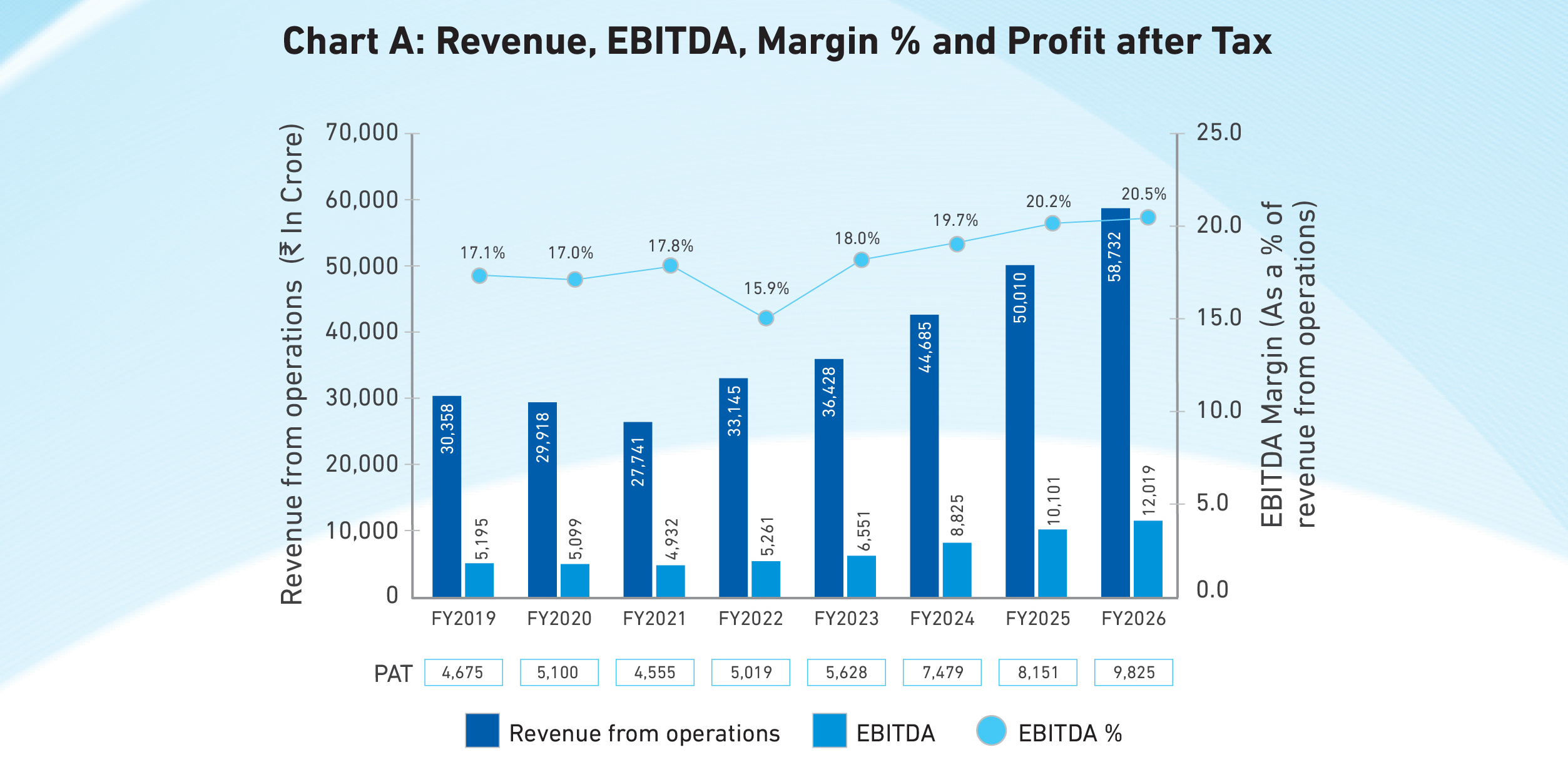
Against this macroeconomic backdrop, Bajaj Auto Ltd. (BAL) continued to demonstrate resilient operational and financial performance, supported by strong domestic demand, benefits arising from GST rationalisation, sustained export recovery, and continued premiumisation across segments. Here are some data.
Domestic Motorcycles
The domestic motorcycles industry recorded growth of 6.6% in FY2026, totaling approximately 13.1 million units, the highest since FY2019. It was, however, a year of two distinct halves. The April–August period was largely flat, with the industry recording a marginal decline as consumer demand remained subdued. The GST rationalisation in September 2025 reducing the rate on motorcycles up to 350cc from 28% to 18%, triggered a brief pause ahead of price cuts, followed by a sharp acceleration in the second half, with the festive season delivering record retail performance and broad-based double-digit industry growth through year-end. Bajaj Auto's motorcycle business unit delivered its all-time high retail performance in the festive period.
To contextualise the Company’s performance within the broader domestic motorcycle industry, Table 1 presents a five-year comparative analysis of market volumes, Bajaj Auto’s sales growth, and market share trends.
|
Table 1: Domestic Sale of Motorcycles (in numbers) |
||||||||||
|
Year ended 31 March |
Market (nos.) |
Market growth |
BAL (nos.) |
BAL’s growth |
BAL’s market share |
|||||
|
|
||||||||||
|
2022 |
8,984,186 |
(10.3%) |
1,632,897 |
(9.7%) |
18.2% |
|||||
|
2023 |
10,230,502 |
13.9% |
1,769,575 |
8.4% |
17.3% |
|||||
|
2024 |
11,653,237 |
13.9% |
2,121,491 |
19.9% |
18.2% |
|||||
|
2025 |
12,252,305 |
5.1% |
2,031,066 |
(4.3%) |
16.6% |
|||||
|
2026 |
13,064,789 |
6.6% |
2,043,316 |
0.6% |
15.6% |
|||||
As can be seen, Bajaj Auto’s domestic motorcycle sales in FY2026 grew by 0.6% to marginally over 2 million units. The Company’s share in the domestic motorcycle market declined from 16.6% in FY2025 to 15.6% in FY2026, driven by varying growth dynamics across segments and heightened competitive intensity, particularly in the entry and mid-commuter categories.
Bajaj Auto continues to remain committed to growing its 125cc+ segment which is of strategic importance to the Company and the segment now contributes 77.5% of total motorcycle sales. During the year, the Company has undertaken a series of pricing and product interventions, including the revamp and expansion of the Pulsar portfolio, to strengthen competitiveness and improve market penetration across key segments.
Key Highlights
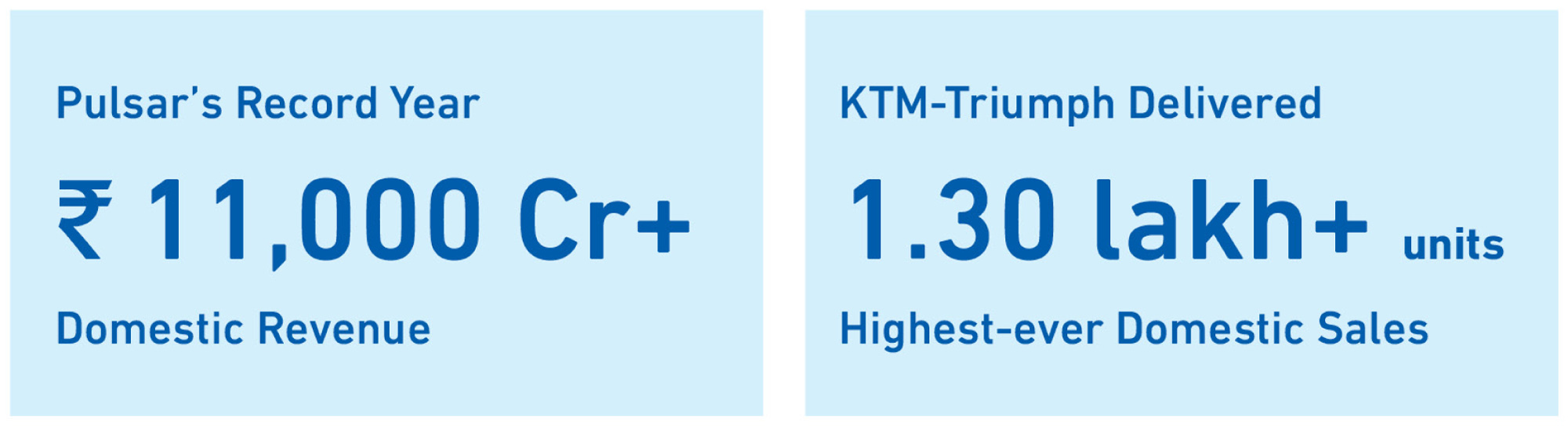
• Domestic motorcycle revenue reached a new peak, driven by double-digit growth in the sports segment, with the highest-ever volumes recorded for the strategically important 125cc+ segment.
• Pulsar scaled new heights, surpassing ₹ 11,000 crore in domestic revenue (>₹ 16,500 crore globally) and achieving record global volumes, powered by a series of product refreshes and sharp in-market activation.
• KTM–Triumph duo delivered highest-ever sales of over 1.30 lakh units domestically, reflecting the strength of an expanded premium portfolio.
• KTM–Triumph expanded its portfolio with the launch of the Duke 160 and RC 160 at the accessible end in KTM, while the Modern Classics range was further strengthened with the Thruxton 400.
• KT Showrooms – a new joint KTM–Triumph retail format were rolled out this year, with 80 operational outlets, creating a distinctive premium buying experience under one roof.
Urbanite (Chetak EV)
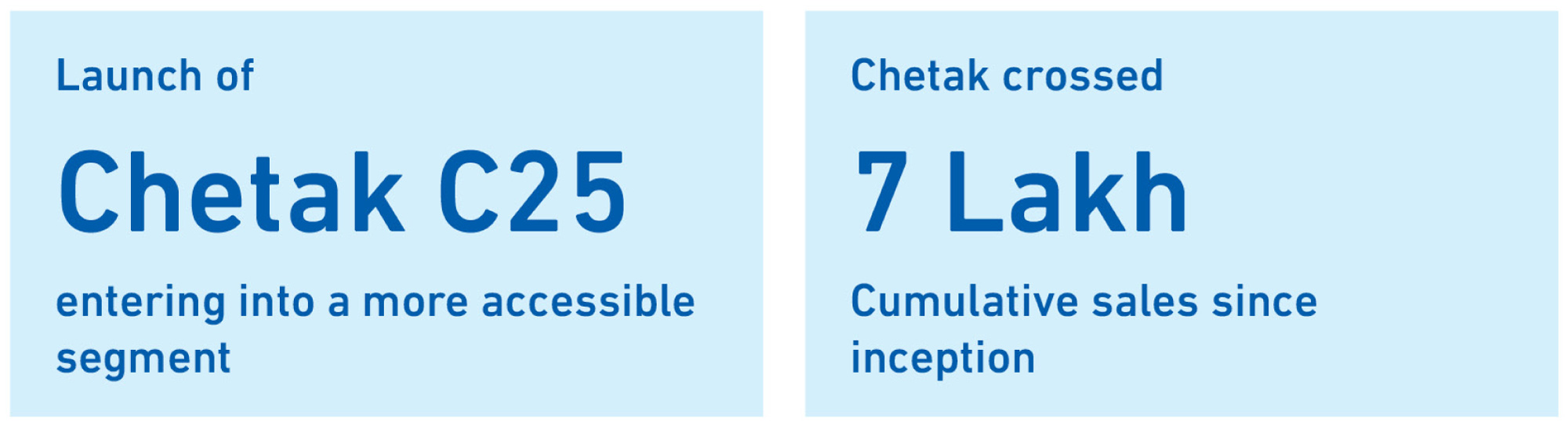
The year was split into two halves for the Chetak business. Non-Availability of rare earth magnets, a consequence of export restrictions from China, created supply disruption in the first half, constraining volumes even as consumer demand remained strong. Bajaj Auto Technology Limited responded by developing alternate motor designs using light rare-earth magnets and establishing alternate geographic sources, restoring supply by end-September 2025. Despite the headwinds in H1, Chetak posted its highest ever billing and retail volumes for the full year and has crossed 7 lakh cumulative units since inception. Table 2 gives the data on domestic sales.
|
Table 2: Domestic Sale of Chetak EV (in numbers)
|
Key Highlights
• Launch of Chetak C25 expanded the portfolio into a more accessible segment, broadening appeal across the spectrum of customers, families- youth, women and young couples—who value its robust build, reassuring ride feel and longevity.
• Chetak remained firmly positioned among the top two electric scooter brands, with market share inching up to 20.7%, +60 bps YoY.
• Strengthened the retail footprint with over 500 exclusive Chetak Experience Centres and more than 4,000 touchpoints across the country.
Domestic Three-Wheelers
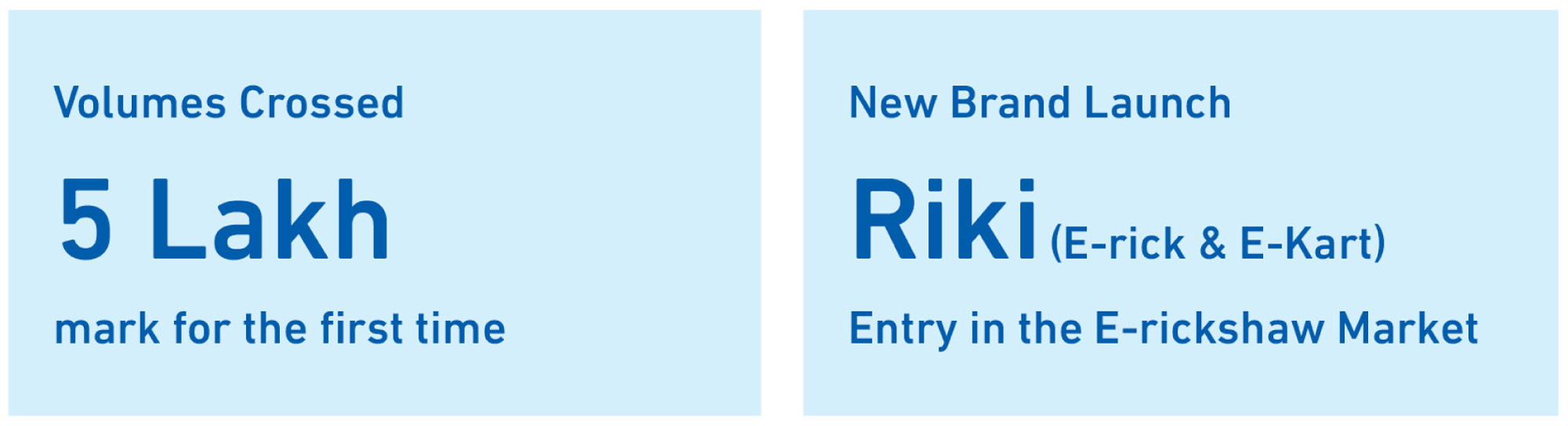
FY2026 was a landmark year for the business, with volumes crossing the 5-lakh mark for the first time. The Company maintained its undisputed leadership in the domestic ICE three-wheeler market with an overall market share of 73.8%, including 79.1% in passenger carriers and 52.5% in goods carriers. Leadership in the CNG segment strengthened further, with market share increasing by 70 bps to 87.9%. In the electric three-wheeler segment, the Company exited the year with pole position in the segment supported by widest portfolio and service footprint in the country.
The quantitative performance in this segment is highlighted in Table 3.
|
Table 3: Domestic Sale of Three-Wheelers (in numbers) |
||||||
|
Year ended 31 March 2026 |
Passenger vehicles |
Goods Carrier |
Total |
|||
|
|
||||||
|
ICE Three-Wheelers |
||||||
|
Industry sales |
4,60,839 |
1,14,650 |
5,75,489 |
|||
|
Bajaj Auto sales |
3,64,723 |
60,165 |
4,24,888 |
|||
|
Bajaj Auto market share |
79.1% |
52.5% |
73.8% |
|||
|
Source: SIAM, Company |
||||||
|
|
||||||
|
EV Three-Wheelers (l5) |
||||||
|
Industry sales |
2,37,328 |
32,598 |
2,69,926 |
|||
|
Bajaj Auto sales |
84,846 |
5,496 |
90,342 |
|||
|
Bajaj Auto market share |
35.8% |
16.9% |
33.5% |
|||
|
Source: Vahan |
||||||
|
|
||||||
|
EV Three-Wheelers (l3) |
||||||
|
Bajaj Auto sales |
2,214 |
62 |
2,276 |
|||
Key Highlights
• Bajaj Auto exited the year with the pole position in the E3W (L5) segment, achieved within three years of entry.
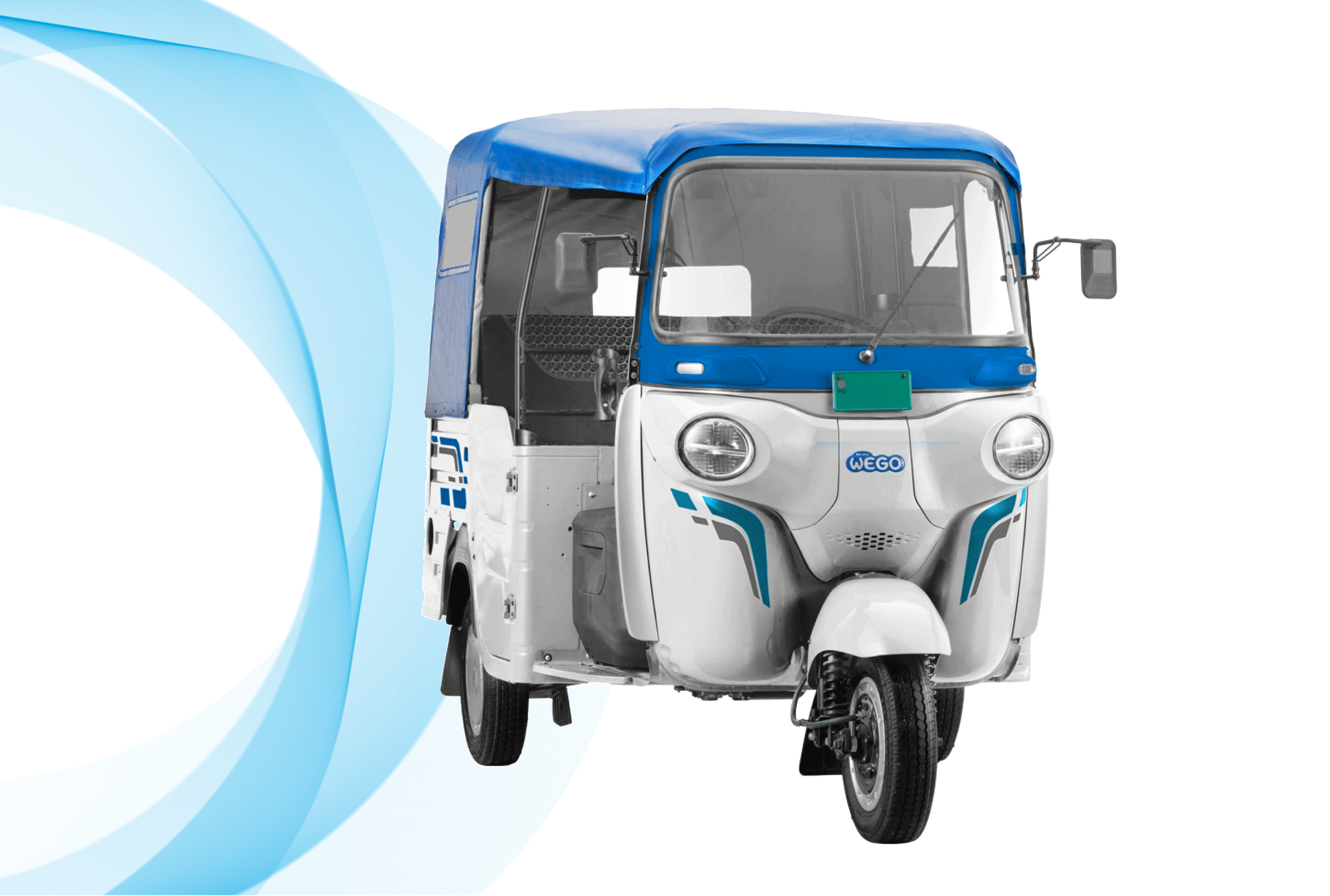
• Launched the ‘WEGO’ brand across the electric three-wheeler segments, including the industry’s largest E3W offering India’s highest certified range in its segment.
• Entered the E-rickshaw (L3) category with the ‘Riki’ brand through launch of E-Rick and E-Kart, featuring superior product attributes and expanding to over 100 cities to drive the next wave of growth.
International Business
FY2026 has been an outstanding year for Bajaj Auto's international business, with volumes surpassing 2 million units, making the best annual performance since the record year of FY2022, while revenues reached an all-time high. Table 4 track Bajaj Auto's export performance.
In FY2026:
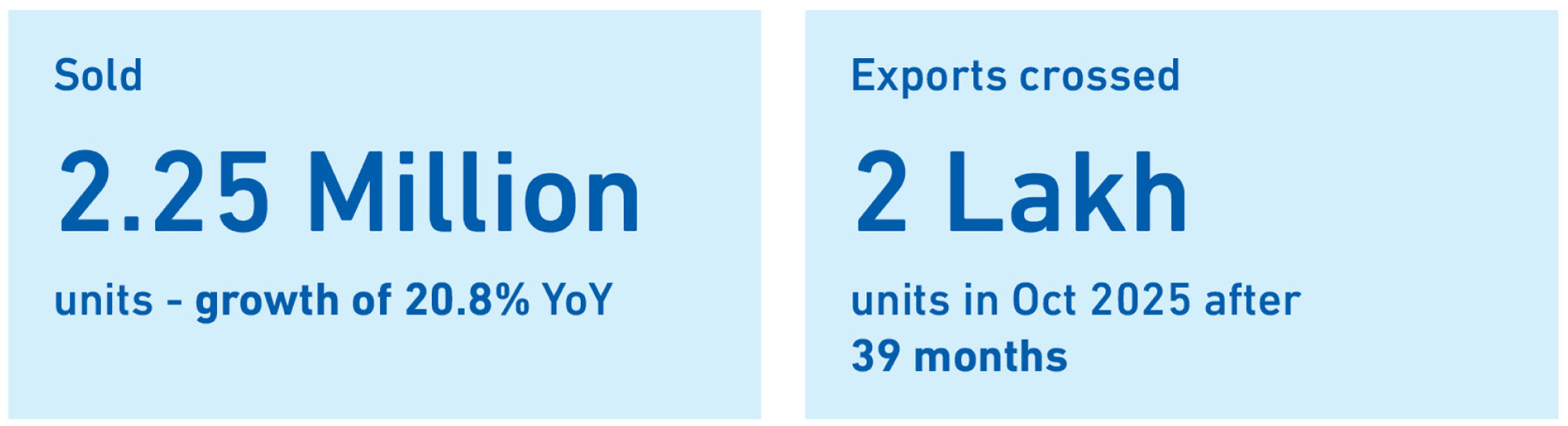
• Bajaj Auto sold 2.25 million units versus 1.86 million units in the previous year — a growth of 20.8%.
• Exports surpassed 2 lakh units monthly mark in October 2025 after 39 months.
• Both two-wheelers and commercial vehicles saw robust growth — the former grew by 17.5% and the latter by an impressive 49.2%.
• The LATAM region recorded the best ever year.
|
Table 4: Export Volume and Value for Bajaj Auto |
||||||
|
FY2026 |
FY2025 |
Growth |
||||
|
|
||||||
|
Units |
|
|
|
|||
|
Two-wheelers |
19,67,810 |
16,74,060 |
17.5% |
|||
|
Commercial Vehicles |
2,82,373 |
1,89,221 |
49.2% |
|||
|
Total numbers |
22,50,183 |
18,63,281 |
20.8% |
|||
|
Exports in ₹ (crore) |
20,416 |
16,254 |
25.6% |
|||
|
Exports in USD (million) |
2,253 |
1,875 |
20.2% |
|||
Motorcycle exports:
• Bajaj Auto maintained No. 1 position in the top 9 out of 15 key export markets.
• While motorcycle exports for the industry as a whole grew by 10% in FY2026 compared to the previous year, BAL registered a growth of 17%, well outpacing the industry.
• East Africa and South Asia were the biggest growth drivers with volume growth of 54% and 36% respectively.
• Pulsar with 18% growth and CT with 34% growth reported their highest ever exports.
Commercial vehicles exports:
• leadership position was maintained in 11 out of 12 key export markets.
• Industry-wide exports in FY2026 increased by 44%, while Bajaj Auto’s grew by 49%.
• Asia and West Africa regions have registered steep growth of 65% and 128% respectively.
• Countries contributing to export growth were Sri Lanka, Nigeria, Ghana, Myanmar, Colombia, Peru and Cambodia.
Outlook
We remain committed to strengthening our presence and delivering excellence across all segments we operate in. Our priorities for the coming year are multi-faceted. A key focus will be on deepening our competitiveness in the strategically important 125cc+ motorcycle segment. In the electric three-wheeler space, we aim to sustain and build on our market leadership under the WEGO brand, with the longer-term intent of mirroring the scale of leadership we have achieved in the ICE category. Chetak is expected to scale up through its recent launches, with the intent to grow market share in the electric two-wheeler segment. We expect export momentum to sustain, supported by improving macro-economic conditions across our key markets. Our premium global portfolios under KTM and Triumph will continue to be nurtured and expanded to further strengthen our international market positioning. With respect to KTM AG, we will continue to support its management in the turnaround, which is well underway, with the aim to bring back KTM to its original performance levels in due course. We will continue to build capability and now leverage scale in Bajaj Auto Credit to deliver an industry-class-leading performance. Throughout this journey, we remain mindful of margin pressures arising from an increasing commodity pressure, and our task will be to balance growth and profitability in the most optimal way through robust operational management.
Risk & Opportunities
In an environment of evolving complexities, our approach to risk management is both proactive and opportunity oriented. We recognise that the external environment is dynamic — whether it is geopolitical tensions, evolving regulatory and macroeconomic conditions in export markets, inflationary pressures on key input commodities, supply-chain vulnerabilities including disruptions in the availability of heavy rare earth magnets that we encountered during the year, currency volatility, or technological disruption – such risks must be continuously scanned and anticipated. Guided by our robust Enterprise Risk Management (ERM) framework, we take a structured approach to identifying, assessing and governing these risks across the organisation – the steps taken to develop alternate sources for heavy rare earth magnets during the year being one such example of how emerging risks are acted upon before they escalate into material concerns. Equally, we strive to convert uncertainties into strategic advantage — by developing response plans that not only mitigate threats but also position us to capture high-value opportunities through proactive response strategies and integrated business decision-making. This dual-focus approach enables us to navigate uncertainty, safeguarding what we have built while remaining alert to the opportunities that a dynamic environment continuously presents.
Internal Control system and their adequacy
Bajaj Auto has established a comprehensive Internal Financial Control (IFC) framework to ensure the integrity, reliability and compliance of our financial reporting and operations. In accordance with Section 134(5)(e) of the Companies Act, 2013, and the SEBI (LODR) Regulations, management annually assesses the design and operating effectiveness of these controls, affirming their adequacy in supporting orderly business conduct and safeguarding assets.
Aligned with globally recognised frameworks such as COSO and ICAI guidance, Bajaj Auto’s IFC system encompasses a robust control environment, risk assessment, control activities and ongoing monitoring. The Company maintains a disciplined process for documentation and periodic testing through an independent team. Findings are reported to the management, with a focus on the timely remediation of any identified gaps.
The Company’s statutory auditors have reported no material weaknesses or significant deficiencies, underscoring the reliability of our financial disclosures. While no system provides absolute certainty, our framework is designed to manage inherent limitations through continuous enhancements and policy updates.
R&D and technology absorption
Processes
R&D reorganised itself to align teams with the key business segments Bajaj Auto operates in, with a flatter structure for greater agility and expanded teams in design, analysis and validation. Several new test and prototyping facilities were added during the year. The IP portfolio continued to grow through patent filings across Powertrain, Vehicle and Integration domains, along with design registrations for new vehicle designs.
Notable technologies introduced during the year included E100 Flex Fuel homologation — enabling a vehicle to run on any blend from pure gasoline to 100% ethanol while meeting BS6 OBD2B emission standards — and Advanced Rider Assistance features such as Cornering ABS, traction control and quick shifter across products.
Products
Key product introductions during FY2026 spanned all segments:
KTM
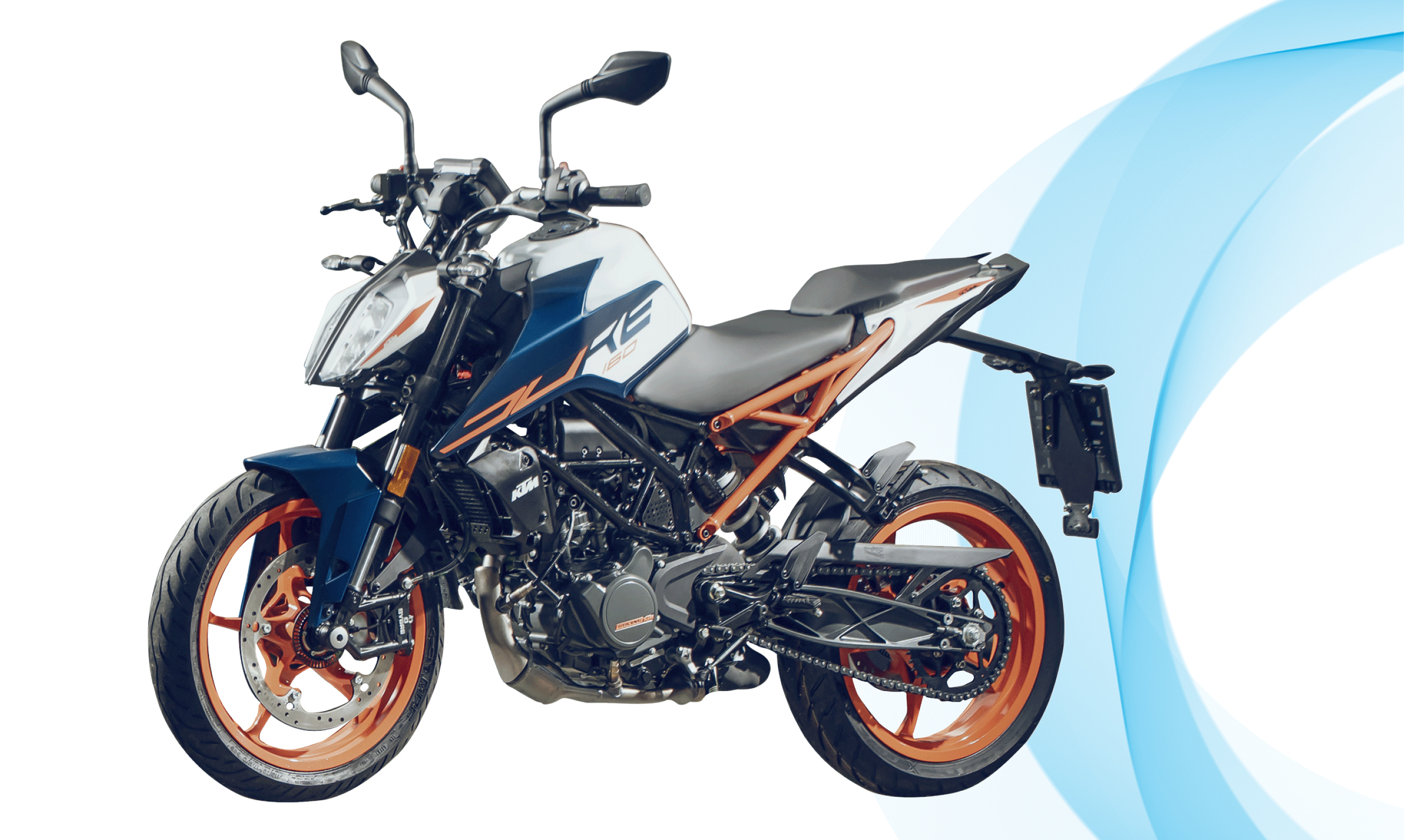
Duke 160
In the KTM lineup the Duke 160 was introduced in July 2025. It is the most affordable Duke which retains the Duke stylish and sharp character of a naked sports bike. The lightweight chassis and responsive 19 Ps engine delivers thrilling acceleration and is perfect for city commutes as well as weekend getaways. It also features a 5” TFT with full functionality including connectivity and TBT navigation.
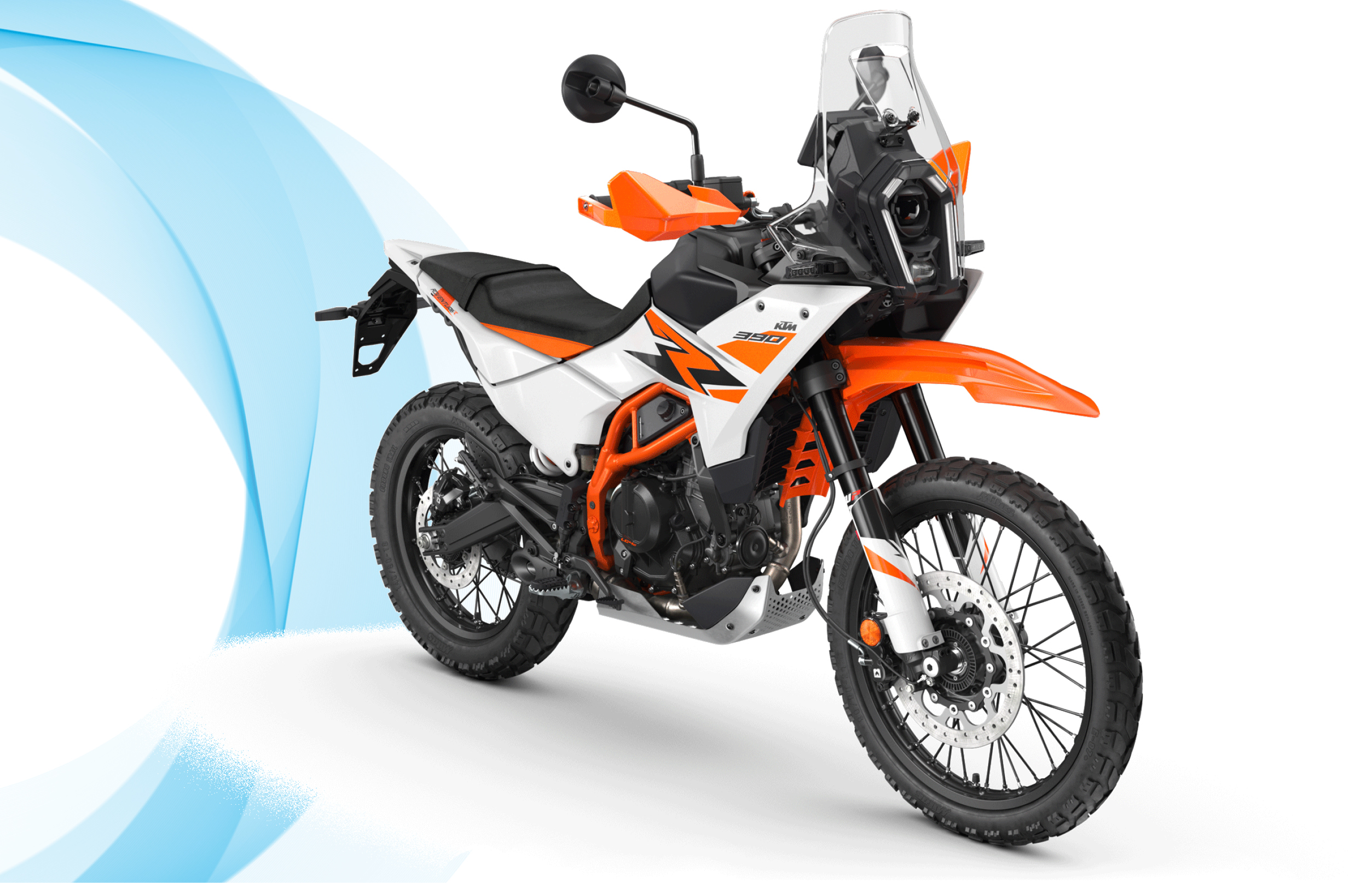
Adventure 390 r
On popular demand from domestic market, the Adventure 390 R was launched in India in January 2026. The bike uses 21”/18” extruded alloy spoke wheels. It has longer 230 mm suspension travel at both front and rear with a 272 mm ground clearance.
Triumph
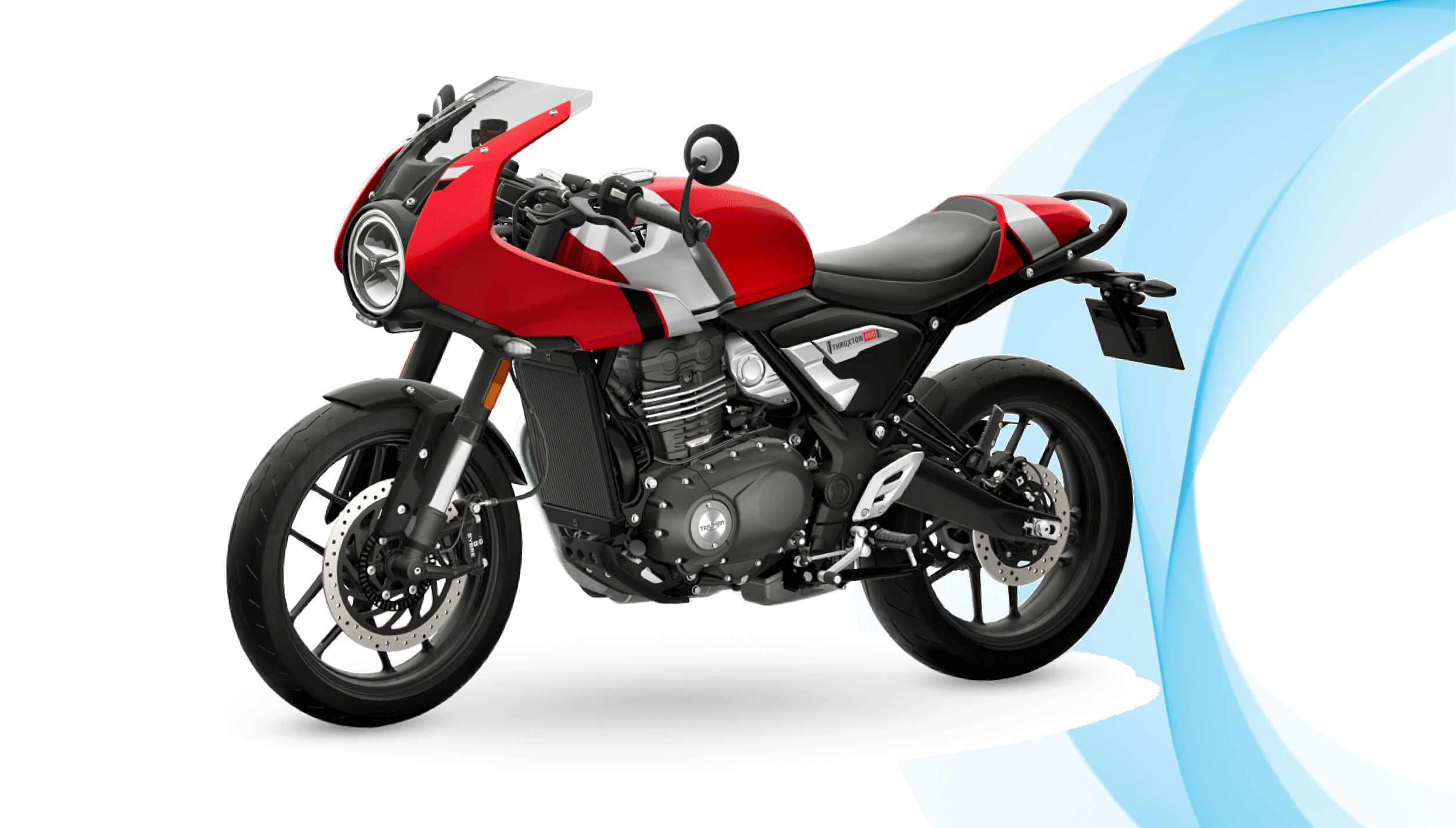
Thruxton 400
Thruxton 400 is a contemporary racer with its design inspired from the iconic Thruxton line, that blends modern performance with a classic character. Its advanced aerodynamics, clip-on handlebars and a rear set footpeg position deliver an engaged riding posture. The engine has been re-tuned for higher performance to deliver 42 Ps. The dedicated chassis along with optimised suspension enables a sporty riding experience that emphasises speed.
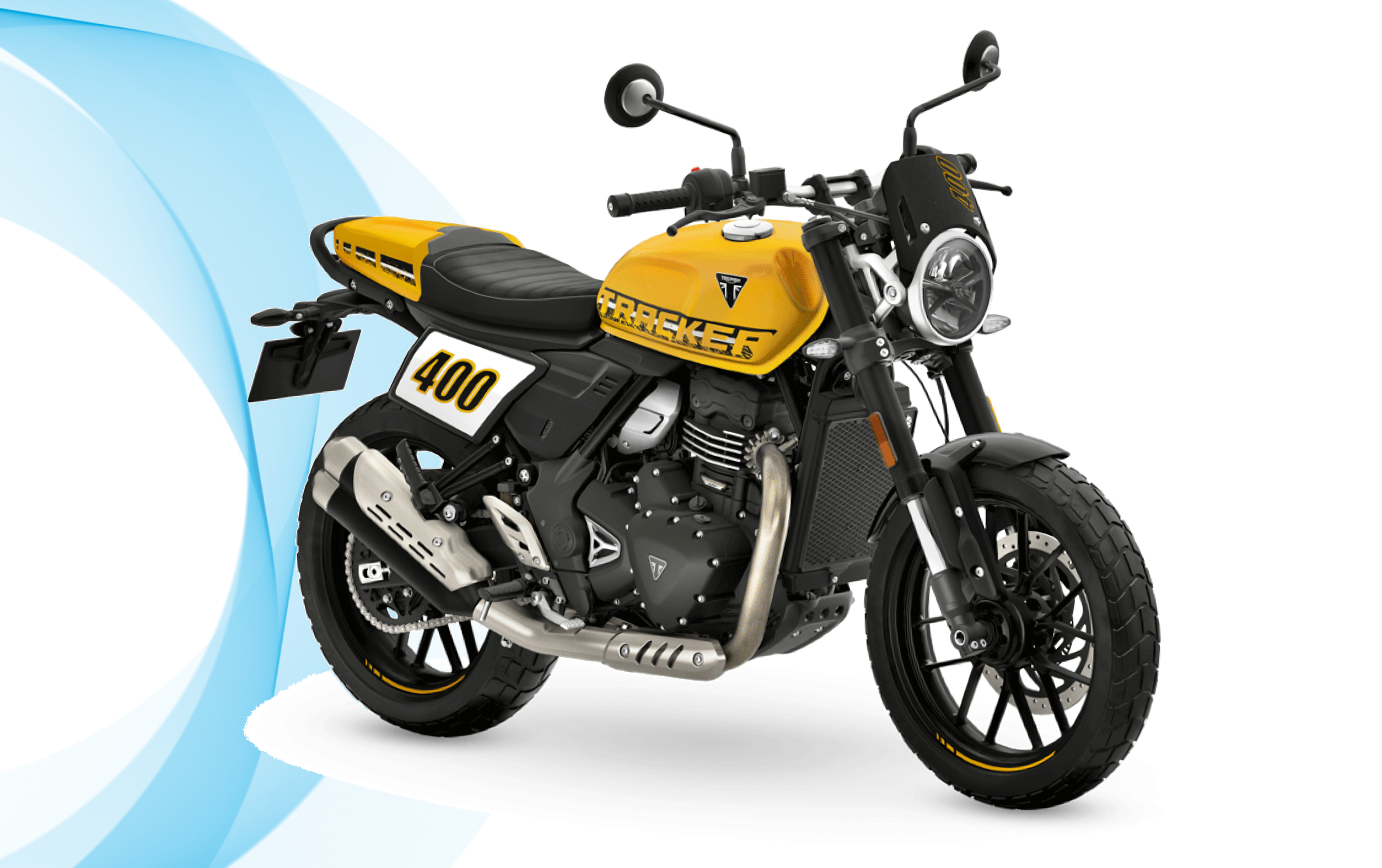
Tracker 400
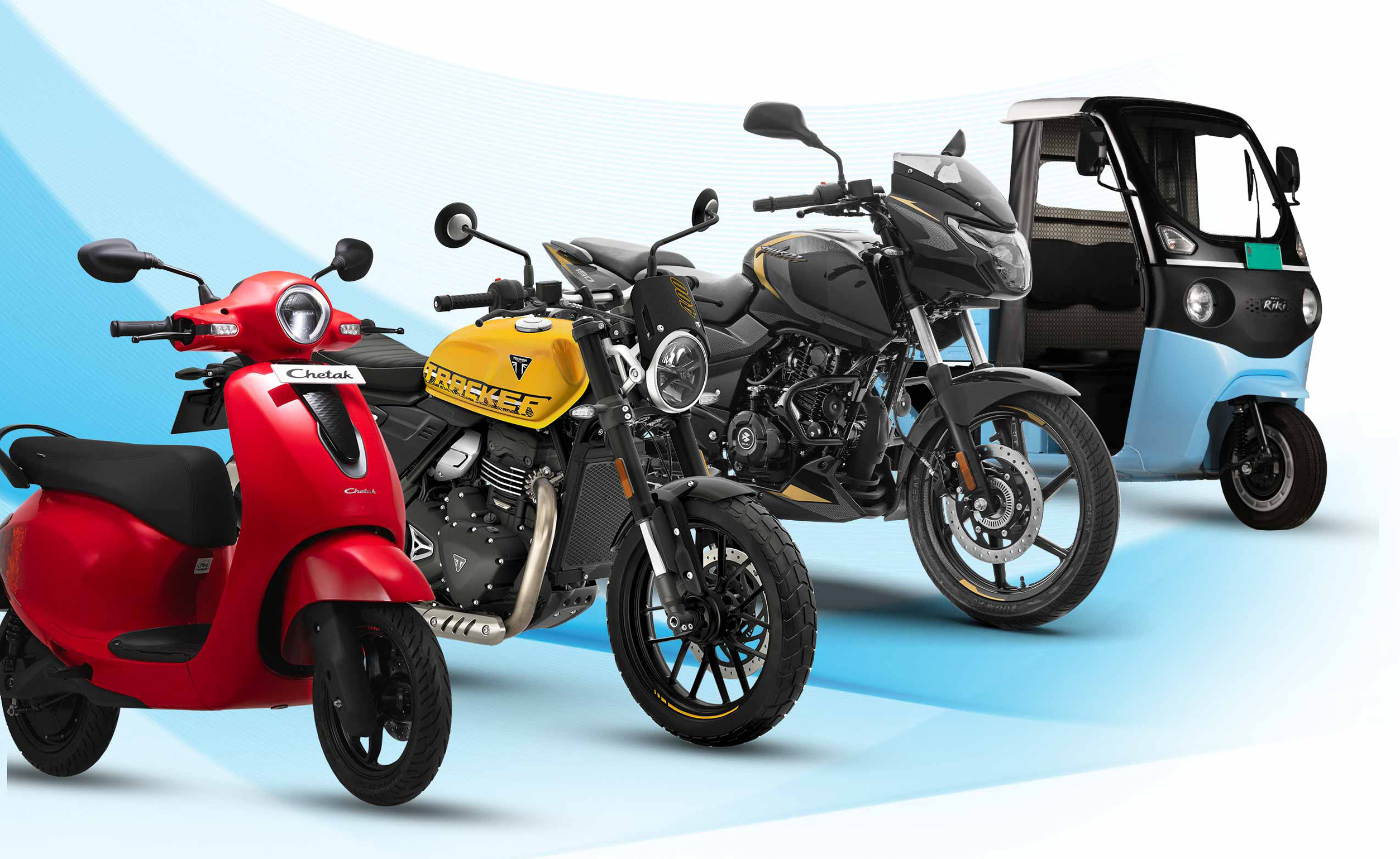
The Triumph Tracker 400 was launched in the export markets in March 2026. It is an all-new model joining the classic range of Triumph. It has a bold style and attitude designed to directly appeal to younger riders. It is powered by the higher performance variant of the TR series engine which provides exciting acceleration and throttle response.
New GST Norms
During the year, the Government of India revised the GST rates applicable to motorcycles, reducing the rate from 28% to 18% for motorcycles with engine capacities of up to 350cc and increasing the rate from 28% to 40% for motorcycles above 350cc. In response to this change, the Company accelerated a product development programme to replace its 400cc motorcycle production line up with sub-350cc variants across relevant platforms while retaining the core performance and riding characteristics of the higher-displacement products. The programme was completed within approximately six months and encompassed design, tooling, validation and production readiness.
Pulsar
The Pulsar 150cc and 125cc were upgraded with LED headlamp and LED blinkers in December 2025 giving them a contemporary look, with new graphics and state of the art lighting.
Pulsar 125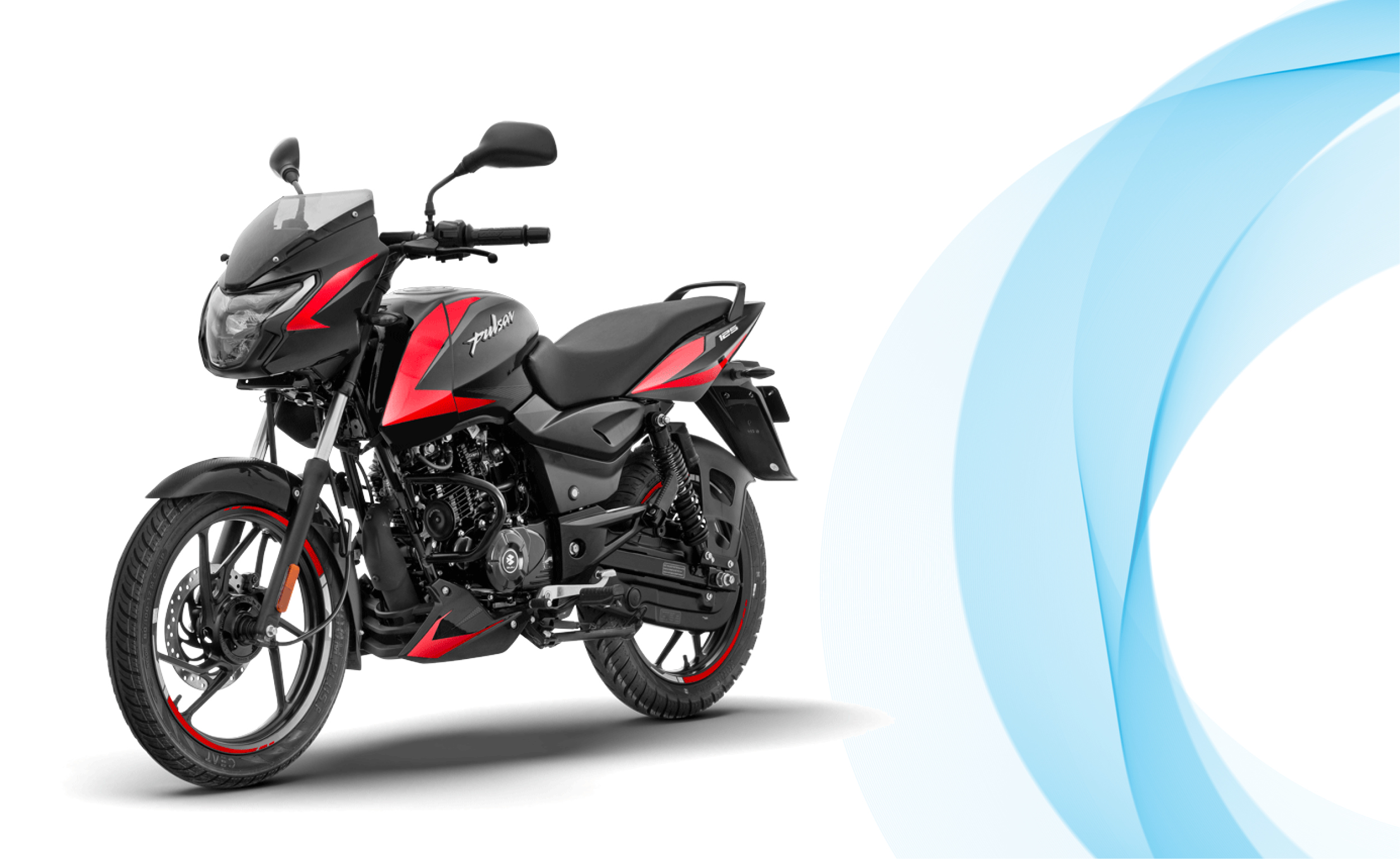
Pulsar 150 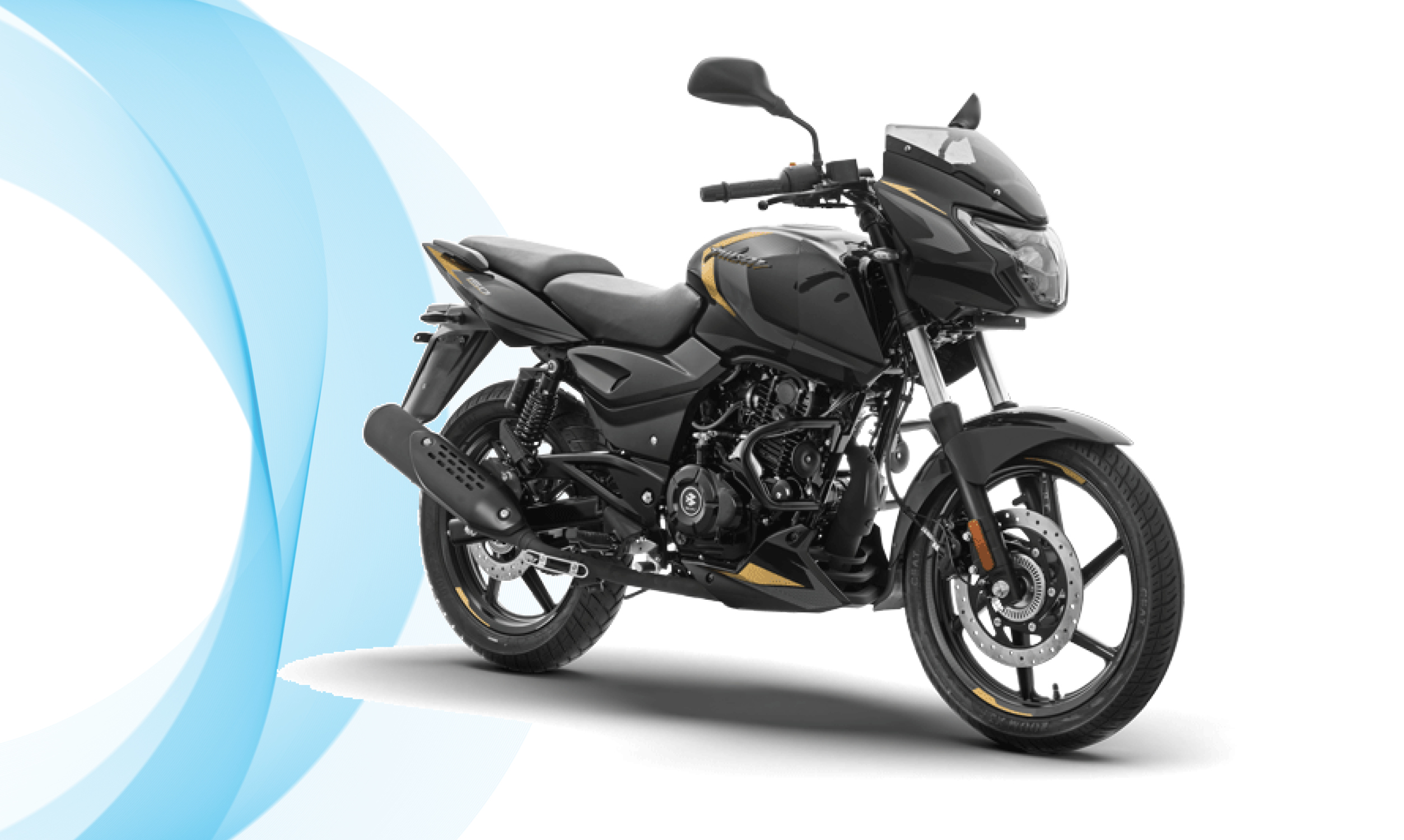
EVs
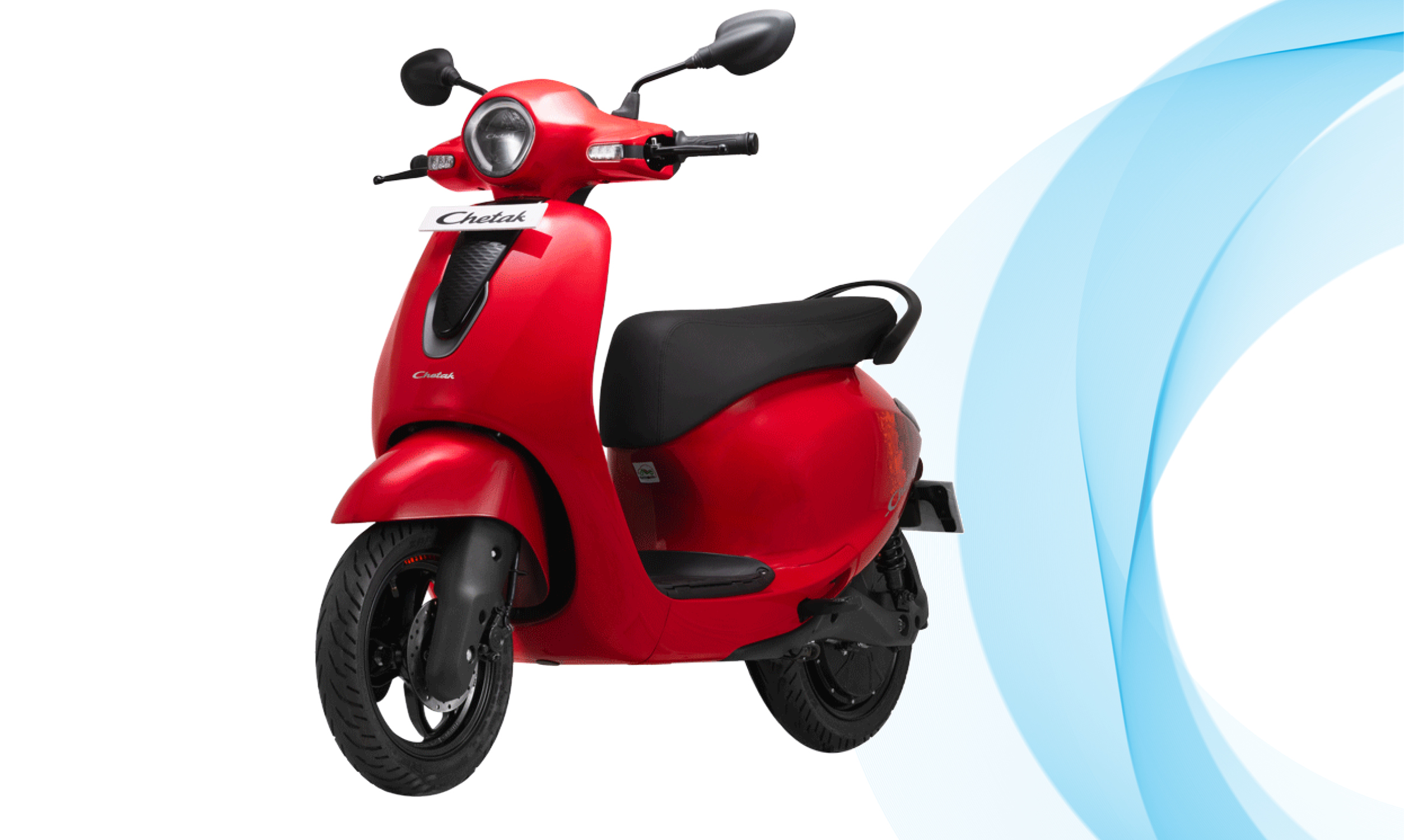
Chetak C25
This new variant of Chetak is designed to complement the Chetak series by improving accessibility and affordability. The C25 has lower kerb mass, lower centre of gravity and lower seat height which enable the scooter to be ridden by youngsters, women and older people. It has a range of 113 kms on a single charge; and a large 750w charger that allows full charge in less than 4 hours. C25 is capable of climbing steep urban inclines with its capability of 19% gradeability with double seat & supported by a hill hold assist for total control.
WEGO
The Bajaj WEGO brand of electric commercial vehicles was launched to better align the brand to the three-wheeler EV segment. WEGO brand was launched as the biggest last mile transport variant with the largest battery capacity on a 3wh. It is being joined by the WEGO P 5009 and WEGO P 7012. These modes come with a wider scudo for better driver ergonomics. Currently, the WEGO brand encompass all segments of the EV three-wheeler.
Riki
The all new Bajaj E-Rick and E-Kart twins were launched in July 2025 and December 2025, respectively under the brand riki. These herald the entry of Bajaj into the last mile ticketing market, with unique propositions. Both variants have a distinct form identity very different from the conventional E-rickshaws in the market. It is a blend of modern automotive styling along with practicality. The vehicle features modern dashboard and attractive interiors, twin headlamp for improved night visibility, best-in-class Driver ergonomics as well as passenger space, and low step-in-height and easy ingress and egress. Bajaj E-Ricks delivers over 120+ km of real-life vehicle running range using efficient drive train & Battery packs and utilizing Brake Regeneration capabilities. They have more durable monocoque Chassis with Corrosion protection that ensures no perforation life of more than 5 years.
E-Rick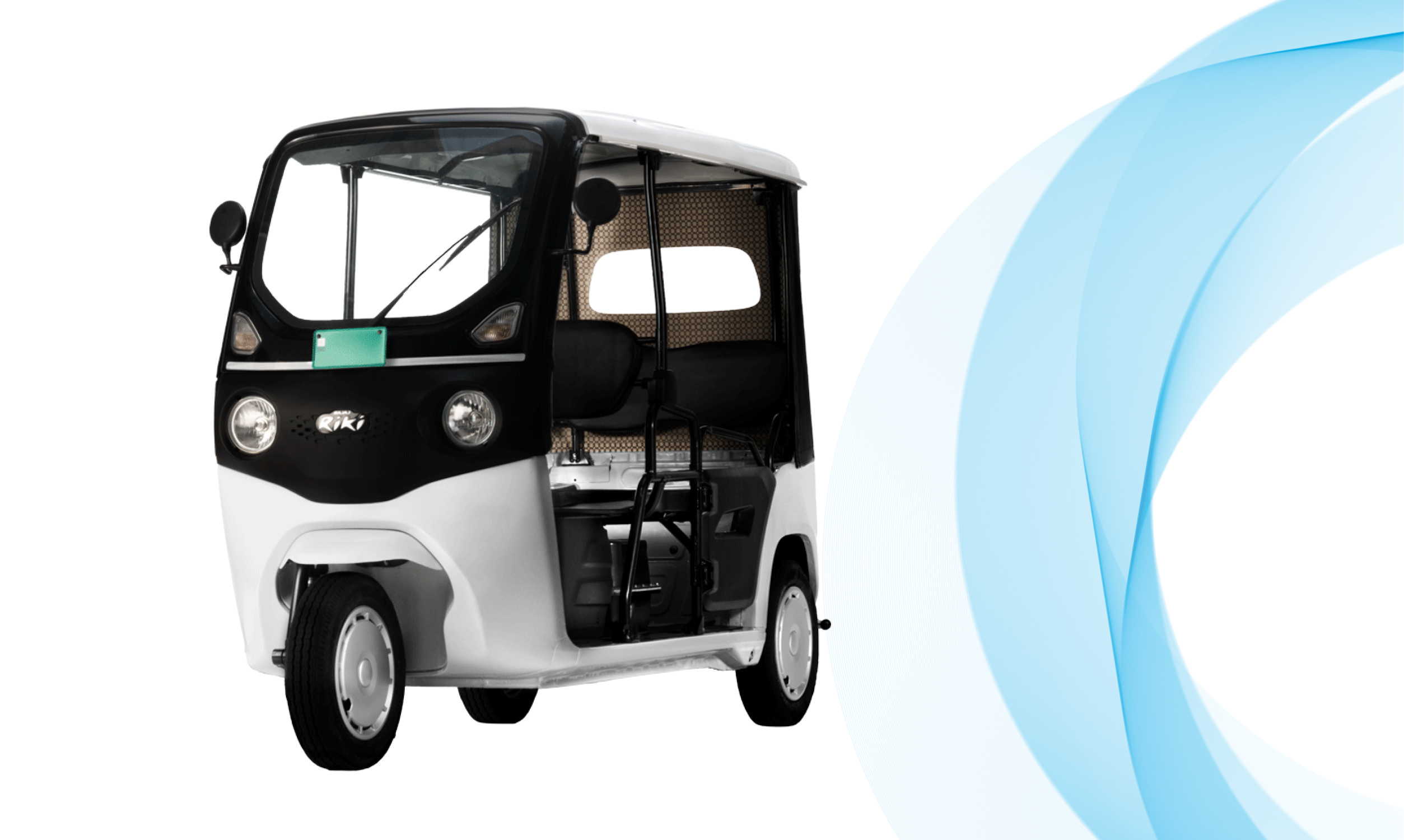
E-Kart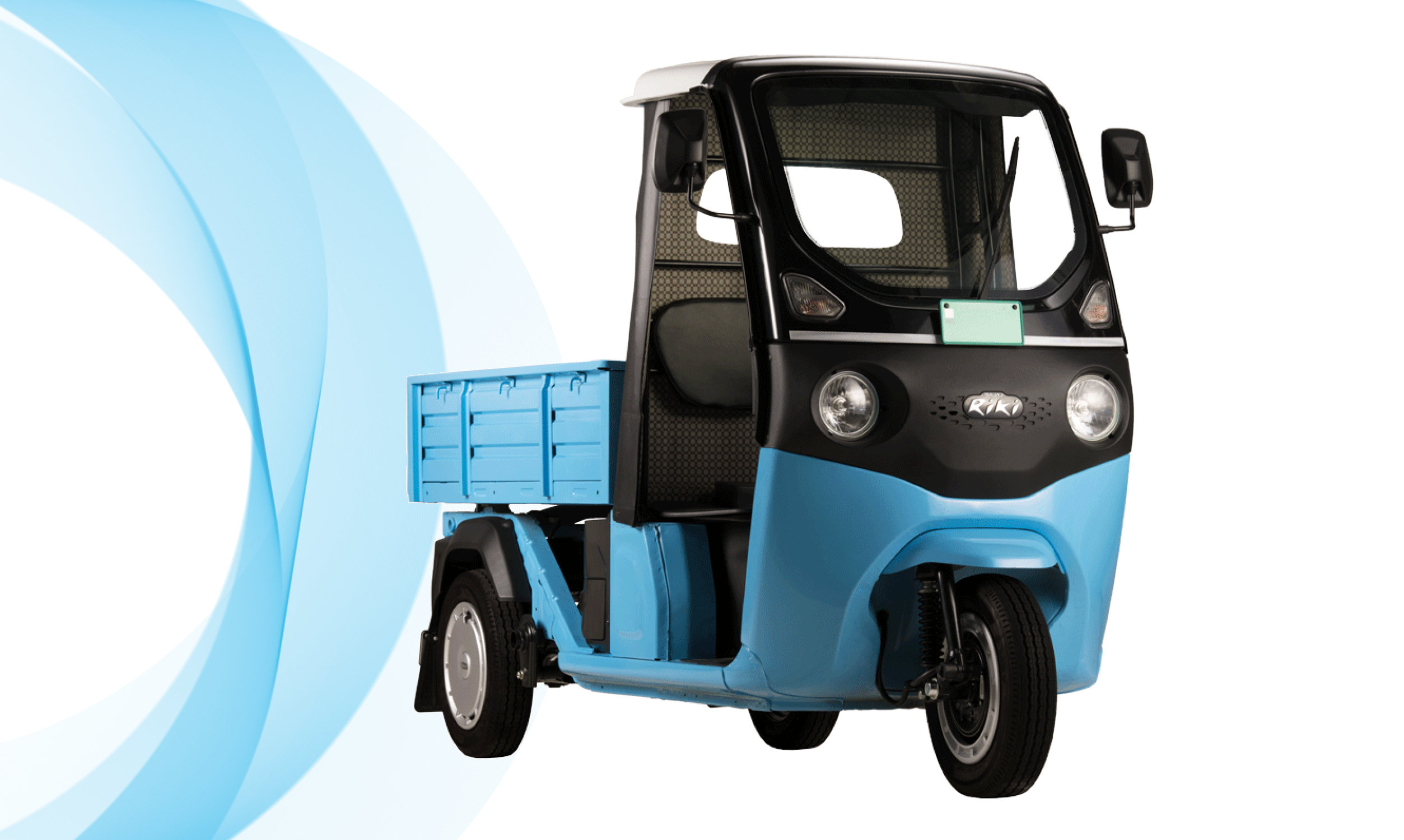
Operations
TPM
Bajaj Auto’s ‘back end’ consists of its manufacturing, engineering, development and materials functions. The principles and philosophy of TPM guide and align these functions to achieve excellence, enhanced productivity, world-class quality, all at optimised cost. ‘The TPM way’ has been successfully expanded to BAL vendors, dealers and international distributors with an aim to create and nurture excellence.
Bajaj Auto’s TPM at Operations
In FY2026, Chakan-II, the youngest plant of BAL family successfully conducted its TPM Kick-Off Ceremony, thus taking the first step towards excellence.
During the year, the Pantnagar plant was honoured with the prestigious ‘Advanced Special Award for TPM Achievement’ by the Japan Institute of Plant Maintenance (JIPM). Bajaj Auto also received ‘TPM Excellence Award – TPM Excellent Case Study Commendation' from JIPM for the second consecutive time. The Chakan plant has been already conferred with the award for ‘World Class TPM Achievement’ in 2024.
Vendor TPM Activities
In FY2026, 42 of our vendor partners have been honored with ‘JIPM-TPM Excellence Award’ up to FY2026. Groundwork done by Bajaj Auto and its vendors for TPM implementation and ‘Bajaj TPM Excellence Awards’ to 87 vendors are testimonies of the strong alignment between BAL and its vendors in embracing TPM. Our TPM practicing vendors have extended the practices down the supply chain to their Tier-II vendors.
TPM in Dealer Service and Overseas Distributor Plants
The TPM philosophy has been widened across the BAL supply chain, encompassing our dealer network in India as well as international distributors across the globe.
Bajaj Auto started TPM implementation at international distributor plants six years earlier. As of FY2026, 25 distributor plants have been practicing TPM over the years. These plants are now experiencing major improvements in productivity, first-time-right quality and optimisation in cost parameters. Six of our distributor plants have qualified for the ‘BAL TPM Award’. In FY2026, one of our distributors in Nigeria has qualified for the ‘BAL TPM Excellence Award’.
On the domestic front, as on 31 March 2026, we had 1,237 dealerships practicing TPM and 917 dealerships that secured the ‘BAL TPM Award’.
Capacity and Employee Strength
|
Table 5: Plant-wise capacities (in units per annum) |
|||||
|
Plant |
As on 31 March 2026 |
Product Range |
|||
|
|
|||||
|
Waluj |
Motorcycles |
2,700,000 |
Boxer, CT, Platina, Discover, Freedom, Pulsar |
||
|
Commercial Vehicles |
1,020,000 |
Passenger Carriers, Goods Carriers, Quadricycle |
|||
|
Chakan 1 |
Motorcycles |
900,000 |
Pulsar, Avenger, Dominar |
||
|
Chakan 2 |
Motorcycles |
300,000 |
KTM, Husqvarna, Triumph |
||
|
Chakan 1/Akurdi |
Scooters |
480,000 |
Chetak, Yulu |
||
|
Pantnagar |
Motorcycles |
1,800,000 |
CT, Platina, Freedom and Pulsar |
||
|
7,200,000 |
|||||
Employment
As of 31 March 2026, BAL’s employee strength stood at 8,073. This excludes Bajaj Auto Technology Limited’s employee count of 496. The number of women employee has increased by 15% from 618 in FY2025 to 708 in FY2026 with almost 66% of the women working in manufacturing plants and engineering functions.
Human Resources (HR)
FY2026 was a transformative year for Bajaj Auto, focused on building a leaner, more agile, and future-ready organisation.
Bajaj Auto Technology Limited (BATL) has further strengthened its technology capabilities by expanding its presence through a dedicated design centre at Bengaluru.
Our key focus pillars for this year are as follows:
Attracting and Retaining Top Talent
We continued to strengthen our focus on attracting top talent through increased engagement with premier campuses. Our strong employer brand was validated by our rankings in
(1) TIME Magazine and Statista’s World’s Best Companies 2025,
(2) TIME Magazine and Statista’s India’s Best Employers 2025, and
(3) Forbes and Statista’s World's Best Employers 2025.
Our LinkedIn community also grew nearly 15 Lakh followers, reflecting stronger online presence.
Programs like TORQ, OHM, and Veni Vidi Vinci help us attract thousands of the brightest minds from India’s top engineering and design schools. Nearly two out of five hires in the Graduate Trainee Engineer intake are women.
Bajaj Auto Credit Limited (BACL) strengthened its talent pipeline through multi-entry campus programs and 100+ B-School partnerships. Digital-first initiatives like BANK and Aarambh enabled pan-India talent sourcing and a steady flow of skilled professionals.
Learning and Development: Empowering Every Employee
We strengthened our leadership development through focused coaching and mentoring interventions.
To further strengthen a culture of learning, the Learning and Education Assistance Policy (LEAP) was expanded to include international institutions such as Stanford University, Massachusetts Institute of Technology (MIT), Nanyang Technological University and world-class Indian institutions such as IISc Bengaluru, IIT Bombay & IIT Kharagpur.
We extended the Bajaj Online Learning Tool (BOLT), our learning experience platform, to over 5,300 non-managerial employees. BOLT’s success is evident, with 80% of employees logging in within two months, ensuring they stay relevant in a rapidly changing environment.
Innovation: Driving Our Future
Innovation is a key theme in our learning strategy. Our flagship technology conference, InnoVision, themed ‘AI and Data: Engines of Future Mobility’, brought together global experts and internal teams to explore emerging technologies shaping the future of transportation. The Ideathon Challenge, as part of InnoVision, saw a 4x increase in team registrations.
In parallel, the APEX AI/ML capability-building program was launched for all managerial employees, reaching over 1,000 participants and reinforcing AI as a core organisational competency.
Improving Employee Experience, Well-Being and Engagement
PULSE, our annual employee engagement survey, was conducted for the fourth consecutive year, with 98% participation and a record-high engagement score of 93%. The survey was extended to Bajaj do Brazil and BACL, achieving 100% employee coverage across subsidiaries. These outcomes reflect our continued action on employee feedback, including focused actions to enhance leadership accessibility and support employees through work-from-home and flexible working hour policies.
In FY2026, we expanded well-being initiatives through our Employee Assistance Program (EAP) — offering doctor consultations and healthcare resources for employees and their families. We also organised targeted interventions for women, including financial awareness sessions, development programs (up!SWING, 1000 Women Leaders Program, and up!SURGE), and mental wellness initiatives.
ESOP: Building a Shared Future
Our Employee Stock Option Plan (ESOP) continues to be a success for our employees. Extended to all managerial employees in 2024, it helps ensure deeper alignment with the company’s long-term success.
Corporate Social Responsibility (CSR)
Within CSR, Bajaj Auto is building competence around selected areas that help focus on large-scale impact. Some of the key CSR initiatives are:
Skilling Initiatives
A. Bajaj Engineering Skills Training (BEST)
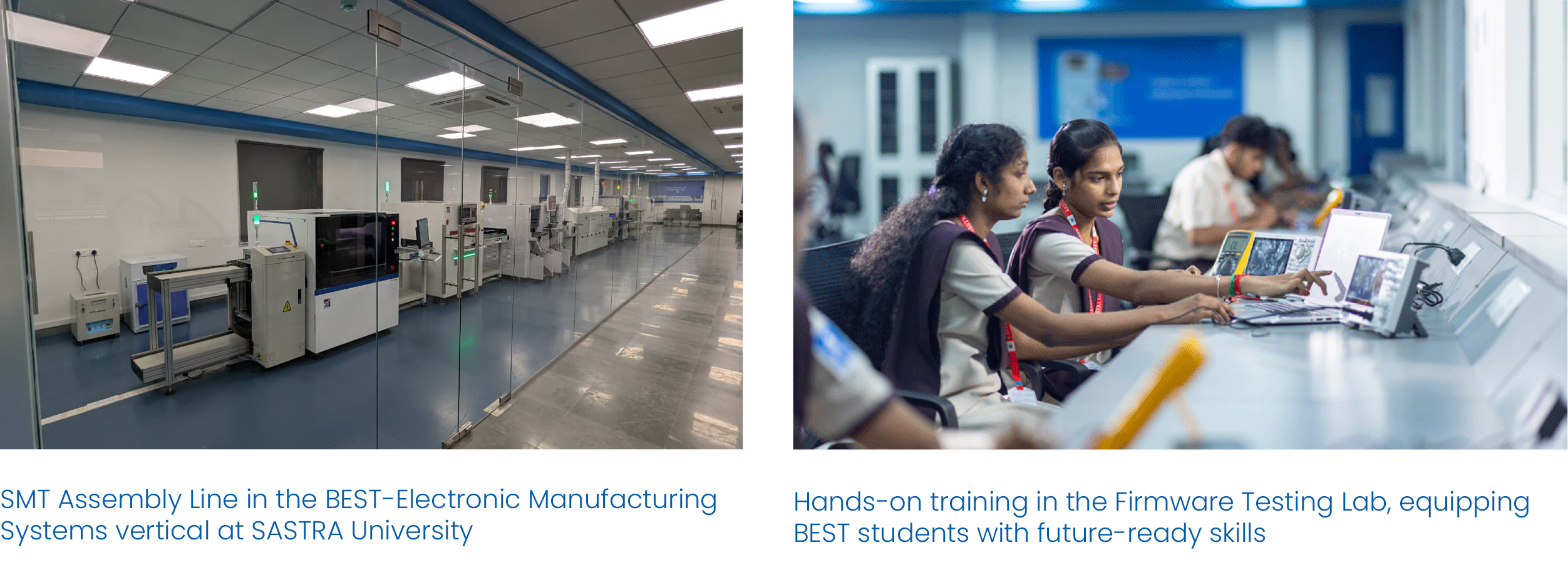
Bajaj Engineering Skills Training (BEST) provides best-in-class manufacturing skills training to young engineers. It is implemented in partnership with India’s top engineering institutes by setting up state-of-the art laboratories with world-class industry grade equipment procured from across the globe.
In FY2026, over ₹ 120 crore was spent towards the BEST initiative by partnering with over 20 top educational institutes, including NITs. As of now, BEST has 10 operational centres with 1,860 students certified and with a capacity to train over 3,000 students annually.
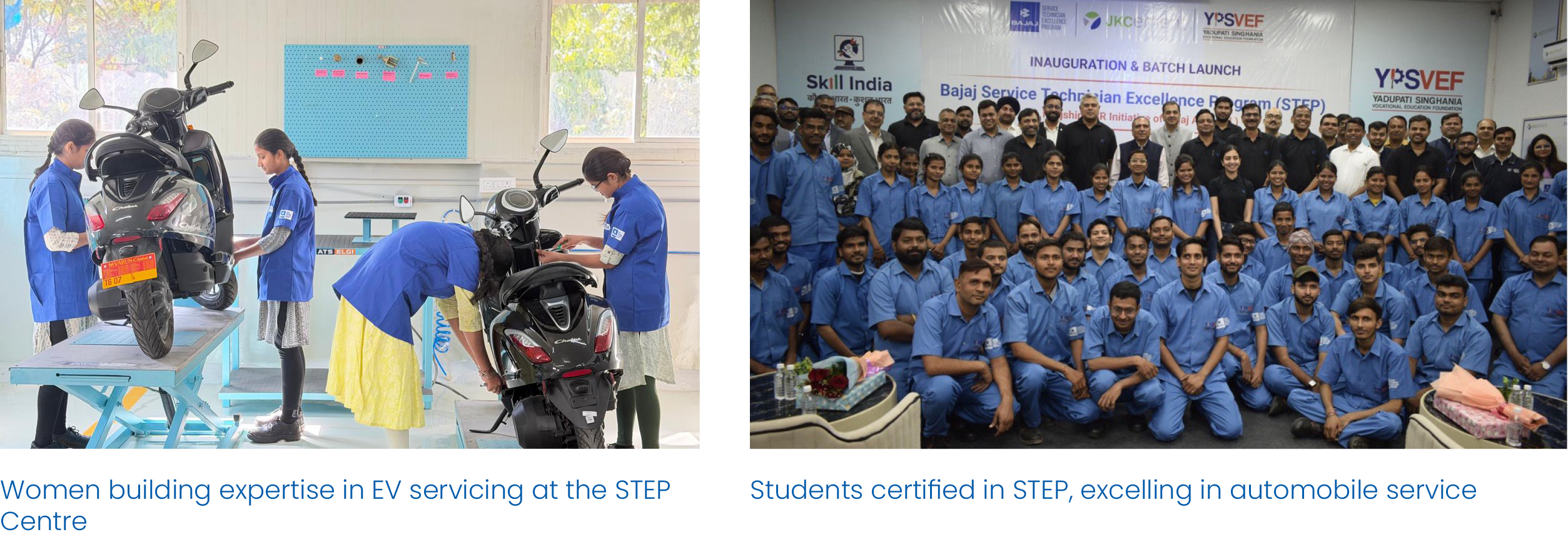
B. Bajaj Service Technician Excellence Program (STEP)
STEP aims to train freshers, 10th pass and above, seeking short-term vocational training to enhance their skills and career prospects in two- and three-wheeler repair and maintenance, under ICE, CNG, and EV categories. The program has a pan-India presence. It provides 80% hands-on training, teaches TPM and soft skills through the Bajaj Online Learning and Discovery (BOLD) platform and connects trainees to jobs via the Talent BRIDGE platform.
The STEP program delivered four courses at 18 centres across nine states, with 750 students enrolled and 154 already certified. It plans to scale up to 60 centres pan-India and train 10,000 students annually.
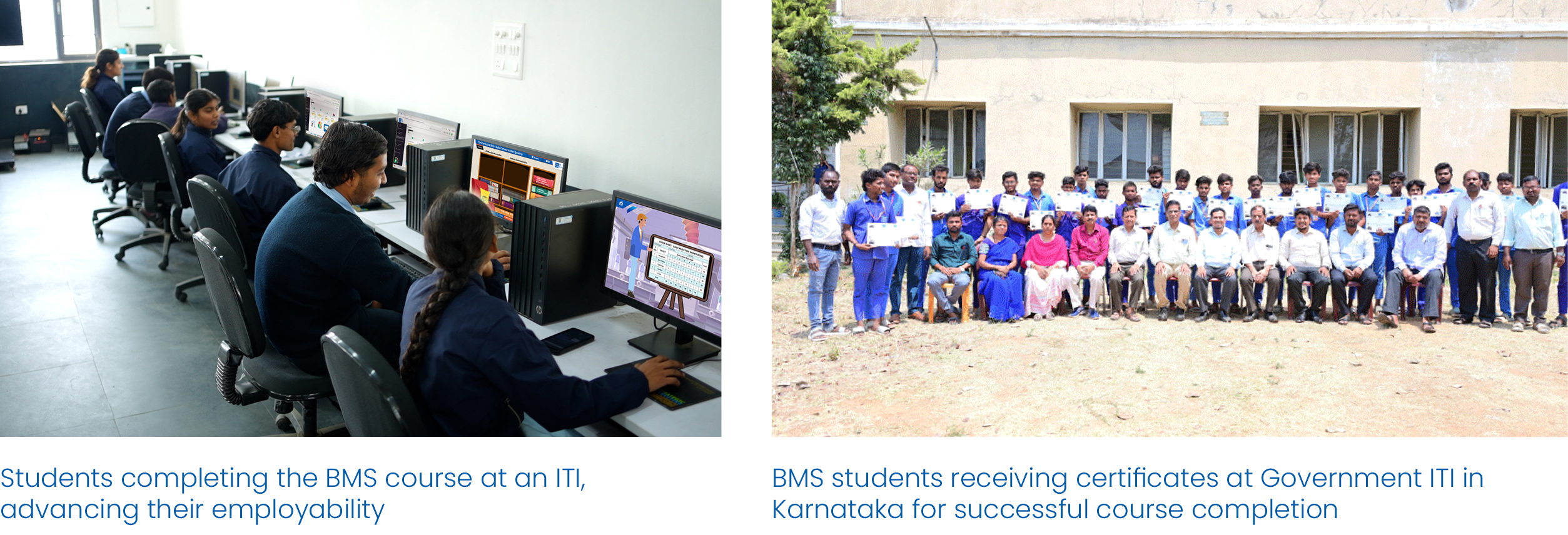
C. Bajaj Manufacturing Systems (BMS)
Bajaj Manufacturing Systems (BMS) equips youth from ITIs, polytechnics, and technical institutes with industry-relevant manufacturing knowledge through a three-month online certification program.
In FY2026, BMS reached 1,698 ITIs & institutes across five states, certifying over 1 lakh students. It has been horizontally deployed across all BEST and STEP centres and is planned to be expanded to 13 states across 3,000-plus institutes.
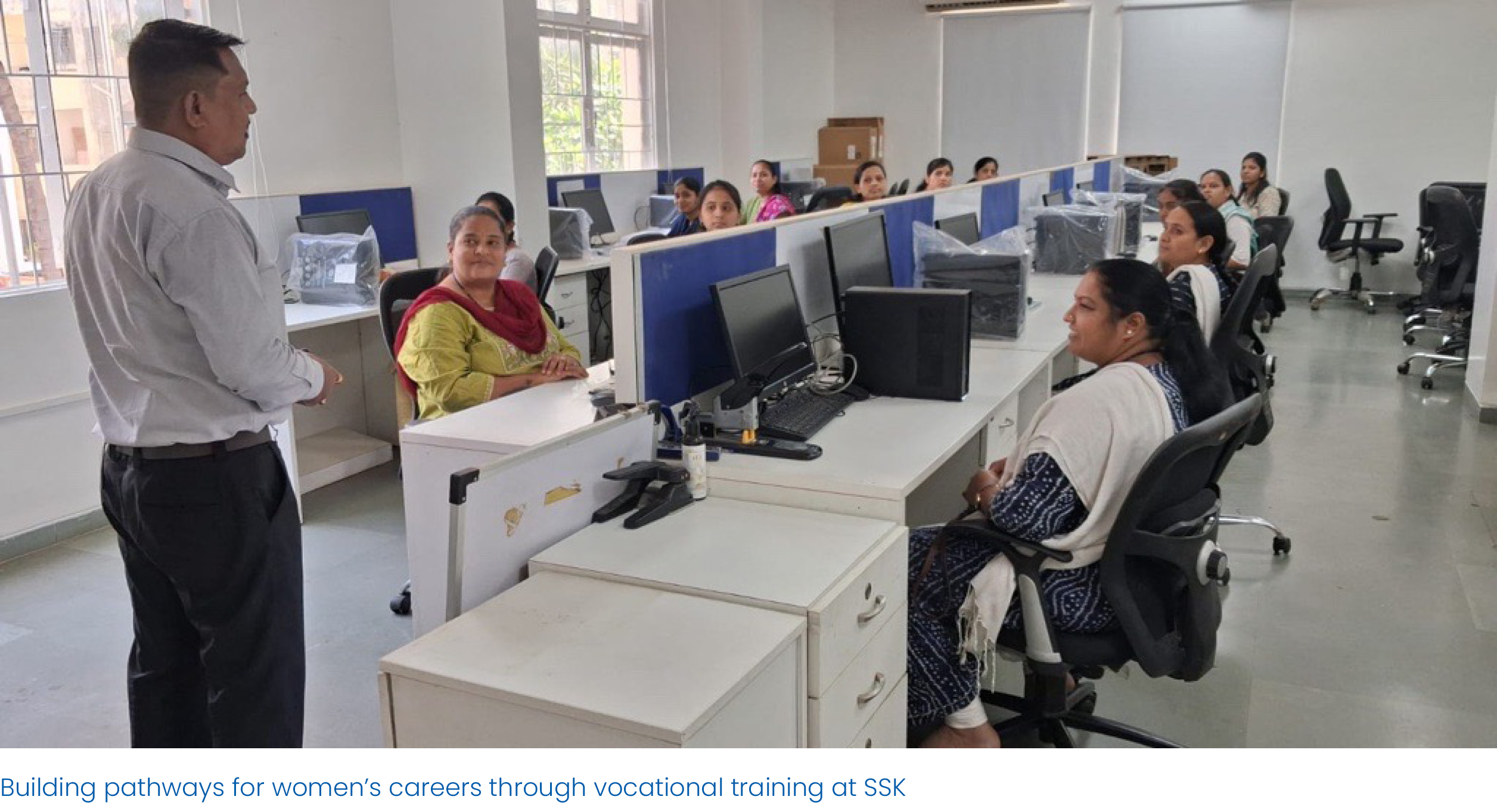
D. Bajaj Sakhi Skills Kendra (SSK)
SSK empowers women through skill development, fostering financial independence and self-reliance. Located near plant locations, these centres provide specialised training aligned to local market demand, such as tailoring, beautician services, and nursing assistance, alongside soft skills, digital literacy, and financial awareness.
Programs under Education
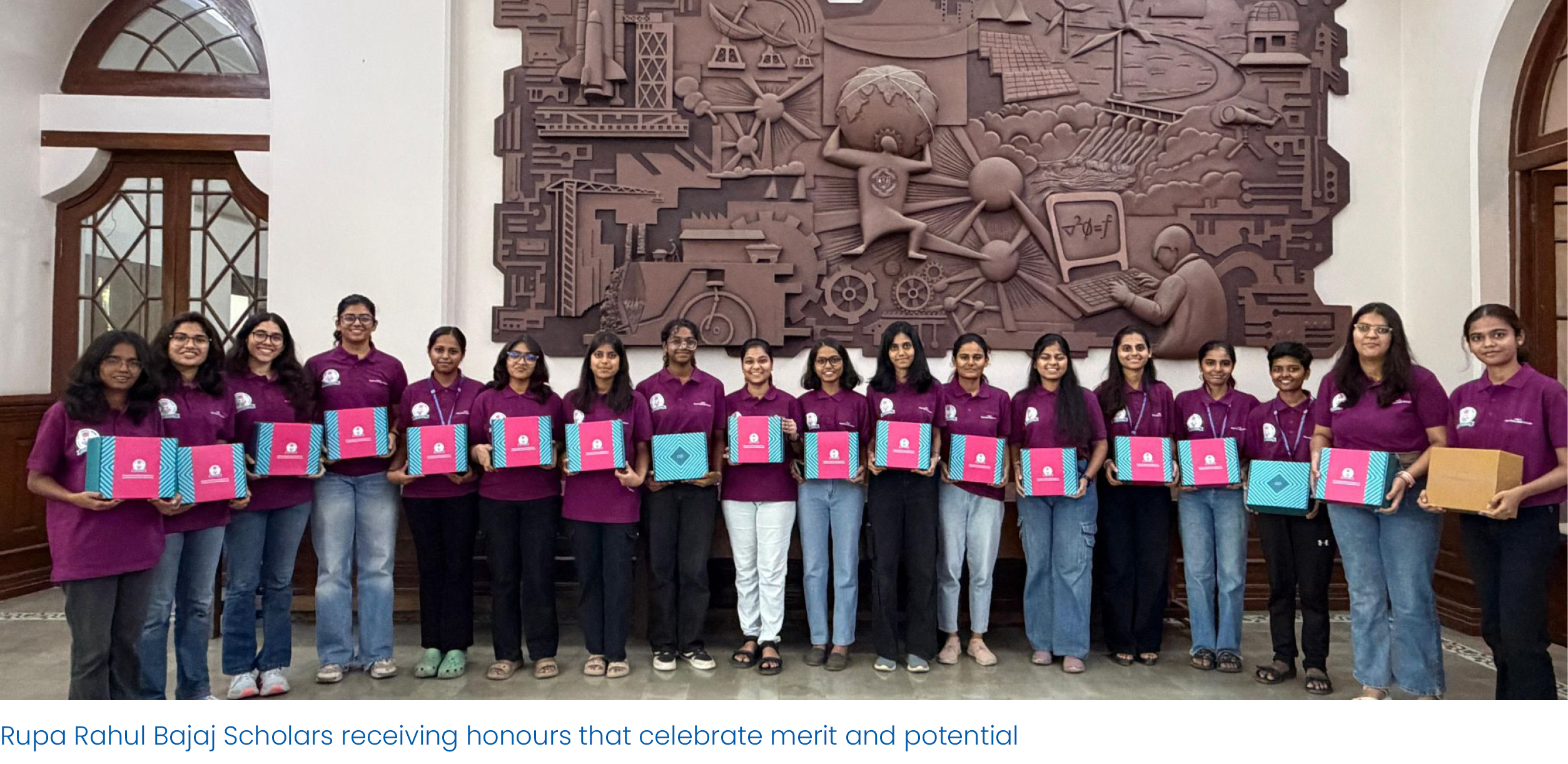
A. Rupa Rahul Bajaj Scholarship for Women in Engineering (RRBSWE)
RRBSWE empowers meritorious young women pursuing core engineering from select 40 leading institutions — including IIT Madras, IIT Bombay, IIT Kharagpur, NIT Trichy — through financial support of up to ₹ 8 lakh.
It is India’s only scholarship dedicated to women in core engineering (mechanical, electrical, electronics, etc.); and it goes beyond funding to provide continuous engagement through mentoring, industry exposure, leadership, life skills development, and a strong alumni network.
In its first cohort of FY2026, RRBSWE awarded scholarship to 506 students. It aims to empower 2,000 women engineers in the next four years.
B. STEM Education Support
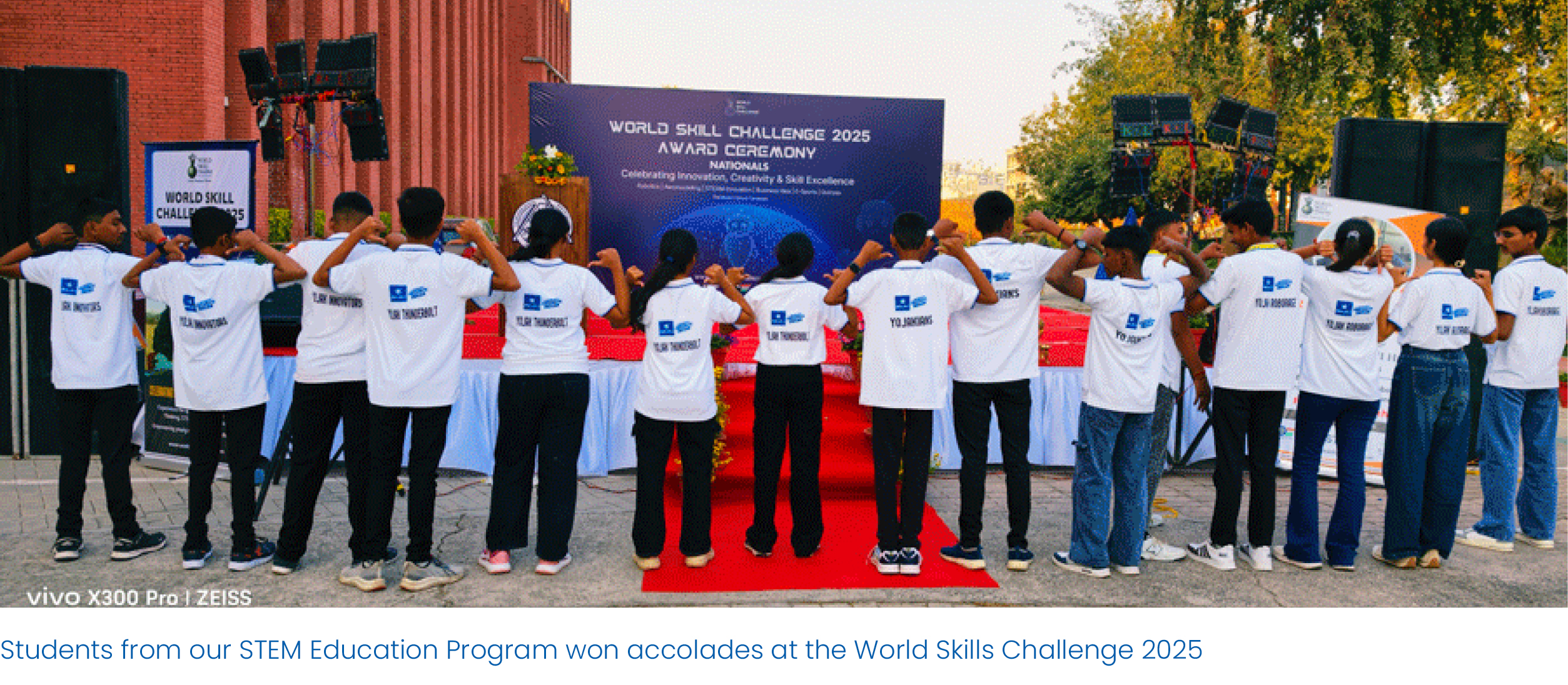
This initiative empowers underserved students, especially girls, with accessible hands-on STEM education through community and school-based learning centres. Combining academic support with experiential learning, it features dedicated STEM labs, trained facilitators, structured curriculum, and continuous assessments to drive outcome-focused learning.
In FY2026, the initiative impacted 15,889 students in 16 community learning centres and 17 school learning centres.
C. Promotion of Science and Technology
Dedicated to engaging and inspiring youth with the wonders of scientific exploration, this initiative with Foundation for Advancing Science & Technology (FAST) works to bridge the divide between science practitioners and the wider community through year-round initiatives, including fellowships, competitions, policy dialogues, research outputs, and the flagship India Science Festival.
In FY2026, the initiative engaged approximately 35,800 participants.
D. Promotion of Sports through Value based Education in Schools
The Sports School Programme with the Abhinav Bindra Foundation Trust (ABFT) promotes holistic child development by integrating sports with school education, based on the Olympic Values Education Programme (OVEP). Teachers are trained in OVEP-based pedagogy to ensure sustained impact in schools.
In FY2026, 19,663 teachers were trained across 5 states/union territories.
Programs under Environment Sustainability
A. Rupa Rahul Bajaj Centre of Environment and Arts (RRBCEA)
RRBCEA located at the Empress Garden in Pune, fosters environmental awareness and education through innovative art forms, nature walks, workshops, and sustainability programs for all age groups.
In FY2026, it conducted over 50 events, engaging close to 3,000 participants.
B. Animal Welfare
Canine Care and Control (CCC), an organisation focused on sterilisation of dogs and cats to control its population completed 7,643 surgeries and vaccinations in FY2026.
In collaboration with Blue Cross Society (BCS), free/low-cost treatment was provided to 11,012 dogs and cats at their outpatient department (OPD) and inpatient department (IPD).
Programs under Health
A. Holistic and Integrative Wellness
PRANA delivers accessible, integrative wellness services to communities through a multidisciplinary approach combining homoeopathy, osteopathy, acupuncture, yoga, nutrition and ayurveda massage therapy.
In FY2026, it served around 1,900 beneficiaries with 48,910 total sessions across therapies. It plans to impact over 3,000 people annually through expanded beds, OPDs, digital tools, and camps.
B. Affordable Multi-Specialty and Transplant Care
The Muktashram Trust Healthcare Facility is a state-of-the-art hospital delivering comprehensive and affordable medical services, ranging from general surgery to advanced multi-organ transplants. Spanning approximately 1 lakh sq. ft., the facility is designed to address diverse healthcare needs with a strong focus on quality, accessibility, and patient-centric care, supported by modern technology and clinical excellence.
C. Breast Cancer Research
The Prashanti Cancer Care Mission (PCCM) is dedicated to the knowledge and support for breast cancer patients. In FY2026, PCCM delivered 565 counselling sessions across 118 preventive clinics, collected 298 patient samples for research, produced 13 publications, hosted 36 webinars/workshops and conducted eight community awareness talks.
IT and Digital Initiatives
During the year, Bajaj Auto advanced its digital journey by bringing together its digital and IT capabilities into a unified organisation. This integration enables the Company to leverage common platforms, processes and talents at the required scale — thus driving greater consistency, faster execution and more effective delivery of technology-led initiatives.
In the course of the year, Bajaj Auto laid the foundation for leveraging AI in ways that are aligned to its business priorities. This exercise is anchored around three key areas:
• First, enhancing access to relevant data across the organisation to enable deeper and more reliable insights.
• Second, building the capability to develop and deploy digital solutions with greater speed and effectiveness.
• Third, enabling technology-led actions and automation to drive measurable outcomes across business processes.
Together, these initiatives position Bajaj Auto to leverage AI as an embedded capability across its operations — one that supports better decision-making, improved efficiency and enhanced customer outcomes.
A comprehensive refresh of the Bajaj Auto’s digital presence has also been initiated, aimed at enhancing customer engagement, improving discoverability and aligning its platforms with evolving user expectations.
Financials
Table 6 gives the summarised standalone profit and loss statement of Bajaj Auto.
Table 6: Summarised Standalone Profit and Loss Statement, FY2026
|
(₹ In Crore) |
||||||
|---|---|---|---|---|---|---|
|
Particulars |
FY2026 |
FY2025 |
Growth% |
|||
|
|
||||||
|
Operations |
||||||
|
Revenue from contract with customers |
56,114 |
48,247 |
16.3% |
|||
|
Other operating revenue |
2,618 |
1,763 |
||||
|
Revenue from operations |
58,732 |
50,010 |
17.4% |
|||
|
Cost of materials consumed, net of expenditures capitalised |
41,113 |
35,287 |
||||
|
70.0% |
70.6% |
|||||
|
Stores and tools |
196 |
199 |
||||
|
0.3% |
0.4% |
|||||
|
Employee cost |
1,662 |
1,577 |
||||
|
2.8% |
3.2% |
|||||
|
Factory, administrative and other expenses |
1,831 |
1,399 |
||||
|
3.1% |
2.8% |
|||||
|
Sales and after sales expenses |
1,911 |
1,447 |
||||
|
3.3% |
2.9% |
|||||
|
Total expenditure |
46,713 |
39,909 |
||||
|
Earnings before interest, tax, depreciation and amortisation (EBITDA) |
12,019 |
10,101 |
19.0% |
|||
|
20.5% |
20.2% |
|||||
|
Interest |
36 |
68 |
||||
|
Depreciation & amortisation |
448 |
400 |
||||
|
Operating profit |
11,535 |
9,633 |
19.7% |
|||
|
19.6% |
19.3% |
|||||
|
Non-operating income |
1,563 |
1,421 |
||||
|
Less: Non-operating expense |
2 |
2 |
||||
|
Non-operating income, net |
1,561 |
1,419 |
||||
|
Profit before tax and exceptional item |
13,096 |
11,052 |
18.5% |
|||
|
Exceptional item ( Income )/Expense |
24 |
– |
||||
|
Profit before tax |
13,072 |
11,052 |
18.3% |
|||
|
Tax expense |
3,262 |
2,690 |
||||
|
Tax expense (exceptional item) |
(15) |
211 |
||||
|
Profit after tax |
9,825 |
8,151 |
20.5% |
The Company’s surplus funds are invested in (i) fixed income securities rated A1+ and equivalent for short term investments, (ii) AA+ and above rated securities for long term investments, and (iii) fixed deposits with banks and finance companies.
As required for listed companies by SEBI, Table 7 gives the key ratios.
|
Table 7: Bajaj Auto’s Key Financial Ratios, Standalone |
||||
|
Particulars |
FY2026 |
FY2025 |
||
|
|
||||
|
Debtors Turnover Ratio |
22.47 |
21.91 |
||
|
Inventory Turnover Ratio |
19.10 |
19.34 |
||
|
Current Ratio |
1.71 |
1.49 |
||
|
Operating Profit Margin |
19.6% |
19.3% |
||
|
Net Profit Margin |
16.3% |
15.8% |
||
|
Debt-Equity Ratio |
0.00 |
0.02 |
||
|
Return on Equity |
29.3% |
28.6% |
||
Subsidiaries
Bajaj Auto International Holdings BV (BAIH BV)
BAIH BV is a 100% Netherlands based subsidiary of Bajaj Auto Limited. Over the years, through this subsidiary, Bajaj Auto Ltd has invested a total of €323 million (₹ 2,421 crore) and holds 100% stake in Bajaj Auto International Holdings AG.
During the year, BAL supported the restructuring of KTM AG and two of its subsidiaries by arranging an equity and debt package of €880 million primarily to fund the payment of cash quota to creditors and to revive operations.
Subsequently, upon receipt of all necessary regulatory approvals, BAIH BV acquired sole controlling stake in Pierer Bajaj AG and subsequently renamed the entity to Bajaj Auto International Holdings AG. Following this transaction, BAIH BV now holds 100% stake in Bajaj Auto International Holdings AG, which in turn holds 74.94% stake in Bajaj Mobility AG (formerly PIERER Mobility AG). Bajaj Mobility AG (BMAG) holds 100% stake in KTM AG and is listed on the SIX Swiss Exchange and Vienna Stock Exchange.
As a result, Bajaj Auto International Holdings AG, Bajaj Mobility AG and KTM AG have become step-down subsidiaries of Bajaj Auto Limited.
Consequent to the change in ownership structure, the Supervisory and Management Boards of the entities were reconstituted. In February 2026, KTM AG secured a refinancing facility of €550 million for a tenure of five years from consortium of banks. The proceeds of this facility were utilised to prepay the loan extended by BAIH BV.
For the calendar year 2025, Bajaj Mobility AG reported a consolidated revenue of €1,009 million with motorcycle sales of 209,704 units. BMAG reported EBITDA of €874 million, EBIT of €748 million and net profit of €590 million supported by a restructuring gain of €1,193 million.
On the motorsport front, 2025 was the most successful year in the KTM's history, with 29 championship titles across the KTM, Husqvarna Motorcycles and GASGAS brands — an achievement that continues to underline the enduring global brand equity of these franchises.
More detailed information on KTM acquisition is provided in the Directors' Report, which forms part of this Annual Report.
Bajaj Auto Technology Limited (the erstwhile Chetak Technology Limited)
Bajaj Auto Technology Limited (BATL) formed on 4 October 2021, stands adequately funded with paid-up equity share capital of ₹ 470 crore as on 31 March 2026. In FY2026, BATL design studios from Pune, Thailand and Spain delivered projects for Commuter bikes (ten models), Performance bikes (six models), Chetak (five models) and CV segments through concepts, sketch, proto surfaces, Class A Surfaces and Color/Graphics phases.
BATL executed design, development and validation of the EV System components battery, motor, VCU, MCU, BMS and telematics for following models:
• Chetak C3501 and C3502
• Chetak Mini C2501
• Wego – P5009, P5012, P7012, P9018, C9012, C90009
• Riki P4005, P4006, C4006
The Bajaj EV business was threatened by restrictions on heavy rare-earth magnet exports from China. To ensure business sustainability, BATL team quickly developed and homologated alternate motor design utilising low rare-earth magnets. R&D also developed other motor designs that ensure further de-risking in case of any further restrictions.
The team has filed for numerous patents in FY2026 in multiple areas of component and vehicle integration.
Bajaj Auto (Thailand) Limited
Bajaj Auto (Thailand) Ltd. is a wholly owned subsidiary in Thailand with an issued and subscribed share capital of Thai Baht (THB) 45 million (₹ 10 crore). The subsidiary has set up an Engineering Design Centre (EDC), to expand R&D’s reach to trend defining markets and tap internationally available best designers. It has all necessary approvals from local authorities.
Bajaj Auto Spain S.L.U.
Bajaj Auto Spain S.L. is a wholly owned subsidiary in Barcelona, Spain with an issued and subscribed share capital of €600K (₹ 5 crore). The subsidiary has set up an Engineering Design Centre (EDC), again, to expand R&D’s reach and tap internationally available best designers. With all necessary approvals from local authorities, this EDC is now fully operational.
Bajaj Auto Credit Limited (BACL)
BACL is a wholly owned captive financing subsidiary with an issued and subscribed share capital of ₹ 2,700 crore, established to support the retail ecosystem of Bajaj Auto’s two-wheeler and three-wheeler businesses. India’s two and three-wheeler markets remain credit driven, with nearly 65%–75% of vehicles retailed through financing. BACL, therefore, serves as a strategic growth engine, enabling Bajaj Auto to strengthen its domestic market position by offering seamless, customised, and geographically diversified financing solutions.
During FY2026, BACL consolidated its operations and focused on building a high quality, scalable and digitally enabled retail lending platform aligned with the core strengths of Bajaj Auto.
FY2026 Performance Highlights
During FY2026, BACL delivered healthy operational momentum supported by sustained demand for Bajaj Auto vehicles, expanding its presence across urban, semi urban, and rural markets. Here are some key facts:
• Assets under management (AUM) as of 31 March 2026 doubled to nearly ₹ 19,000 crore.
• Disbursement for FY2026 were approximately ₹ 15,000 crore, with over 1 million new customers.
• Net interest income (NII) stood at ₹ 2,124 crore.
• Profit before tax (PBT) was at ₹ 889 crore and Profit after tax (PAT) was ₹ 665 crore.
• Gross Non-Performing Assets (GNPA) at 1.85%; Net Non-Performing Asset (NNPA) at 1.00%.
• Capital adequacy ratio as on 31 March 2026 was 19.5% and Tier-I adequacy was 16.6% — which are both well above the RBI norms.
Bajaj Do Brasil Comercio De Motocicletas Ltda
This is a wholly owned subsidiary with an issued and subscribed share capital of BRL 58 million (₹94 crore). It was set up to operate in the highly competitive market of Brazil.
In CY2025, Bajaj Do Brasil sold nearly 32,000 units — versus over 13,000 units sold in CY2024. A key enabler of this performance was the successful commencement of operations at the dedicated manufacturing facility in Manaus, Bajaj Auto’s first plant outside India.
The annual capacity has increased to 50,000 units per year, having started local operations for frame welding and painting. This facility produced around 32,000 motorcycles during CY2025 and focused on supply chain efficiency and cost optimisation. The dealership network has been expanded from 31 outlets across 17 states in CY2024 to more than 60 outlets across 24 states by the end of CY2025. This has significantly improved national coverage and has provided stronger service support to our customer base of more than 54,000 Bajaj riders in Brazil.
Consolidation of accounts and segment reporting
Table 8 gives the numbers.
|
Table 8: Segment Revenue and Segment Results |
||||
|
(₹ In Crore) |
||||
|
Segment Revenue |
FY2026 |
FY2025 |
||
|
|
||||
|
Automotive |
60,530 |
49,982 |
||
|
Financing |
3,248 |
1,041 |
||
|
Investment and others |
1,309 |
1,446 |
||
|
Total |
65,087 |
52,469 |
||
|
|
||||
|
Segment Results Profit/(Loss) from each segment before tax |
||||
|
Automotive |
12,016 |
8,770 |
||
|
Financing |
889 |
78 |
||
|
Investment and others |
1,307 |
1,444 |
||
|
Total |
14,212 |
10,292 |
||
|
Less: Interest |
260 |
68 |
||
|
Profit before tax |
13,952 |
10,224 |
||
|
Profit after tax |
10,744 |
7,325 |
||
Cautionary Statement
Statements in this Management Discussion and Analysis describing the Company’s objectives, projections, estimates and expectations may be ‘forward looking’ within the meaning of applicable laws and regulations. Actual results may differ from those expressed or implied. Important factors that could make a difference to the Company’s operations include global economy, political stability, stock performance on stock markets, changes in government regulations, tax regimes, economic developments and other incidental factors. Except as required by law, the Company does not undertake to update any forward-looking statements to reflect future events or circumstances. Investors are advised to exercise due care and caution while interpreting these statements.